


Fake ID Marketplace Raid Exposes Risks for Online Platforms
- March 24, 2026

April 1, 2026
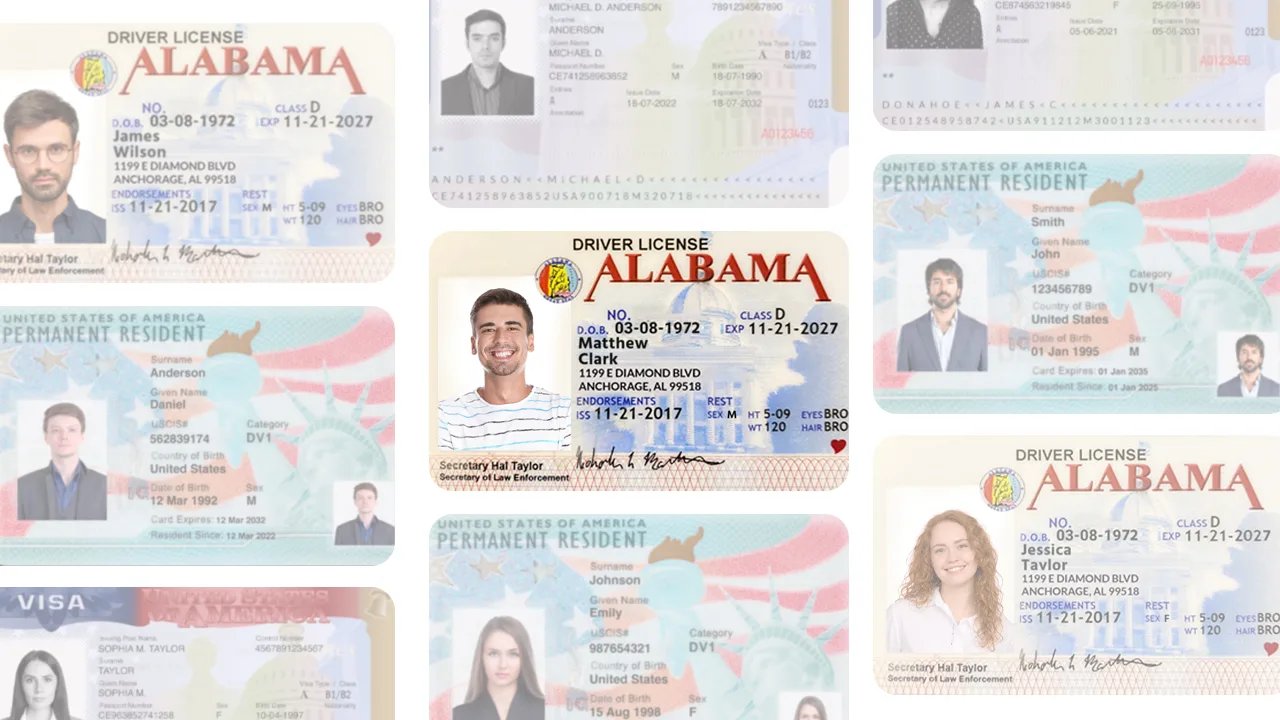
Authorities uncover a sophisticated fake identity operation after digital identity verification tools detect suspicious document patterns and biometric mismatches.
A sudden spike in failed identity checks last year triggered a ripple of suspicion across digital platforms worldwide. What first looked like routine mismatches in identity verifications turned out to point to something much bigger: an alleged large-scale fake-ID operation associated with the OnlyFake network.
Digital identity systems—from fintech apps to age-restricted retailers—started picking up on repeating anomalies in documents submitted for verification. These weren’t random. They followed patterns that didn’t quite add up. Over time, those alerts came together into a clearer picture, ultimately revealing a system reportedly linked to the generation of synthetic identity documents.
Put simply, the OnlyFake network was a website that served as a fake document generator platform. The platform was described as producing high-fidelity synthetic documents capable of passing casual inspection and, in some cases, evading automated checks, including AI-generated driver’s licenses and passports.
Once generated, these files were then shared and distributed through the platform and related channels, where a global customer base—including underage buyers, opportunistic fraudsters, and individuals looking to obscure their real identities—could access them.
Demand for synthetic identity documents wasn’t limited to one region. It spanned across continents, driven by the ongoing tension between stricter digital identity verification and the constant attempts to bypass it.
While the platform itself focused on ease and realism, what it enabled was a toolset that could be used for deception—ranging anywhere from minor misuse to more serious fraud.
Federal authorities later identified Yurii Nazarenko in connection with the operation, alleged to be the person responsible for running the OnlyFake website.
Nazarenko was charged and has been reported to have faced legal proceedings in a United States federal court related to the alleged operation of the network. Court filings indicate he allegedly generated substantial revenue, and reports suggest the operation was associated with over 10,000 synthetic identity documents, enabling real-world misuse while blurring legal boundaries.
The range of documents associated with the platform reportedly included:
Even though the pitch emphasized convenience and realism, what was being offered was ultimately a toolkit that could be used for deception—depending on the intent of the user.
Behind the scenes, the operation followed a simple, e-commerce-style workflow that guided users through the selection, customization, and delivery of synthetic identity documents.
The OnlyFake site operated much like a typical e-commerce platform. Users browsed template categories, selected the document type they wanted, and entered the personal details they wished to embed into the counterfeit.
Orders were fairly straightforward: choose a document, customize the fields, and place a request. Designs were described as mimicking real templates, and in some cases, reports suggest users could influence how the final output was rendered, such as resembling a flat scan or a photographed physical card.
Transactions were processed primarily through cryptocurrencies, which added a layer of anonymity that appealed to buyers while also complicating investigation efforts.
Once purchased, generated identity document files were delivered digitally. Some versions were optimized for print, while others were designed for online submission into identity verification systems—structured in a way that could resemble expected formats and potentially pass surface-level checks in certain systems.
Detecting this network wasn’t about luck; it was about paying attention to the patterns.
A cluster of unusual signals began to emerge:
These weren’t isolated incidents—they were repeating signals that pointed toward a shared source rather than random errors.
A diverse set of platforms began noticing these clues:
Each organization’s fraud detection systems acted like a sensor, feeding into a larger, connected view of what was happening.
Modern verification tools played a central role in connecting the dots:
These systems didn’t just reject fake credentials—they helped surface the underlying patterns that investigators could analyze and connect.
When cutting‑edge tools are used right, they don’t just block bad actors—they reveal them.
These systems analyze fine‑grained features of IDs, spotting when something doesn’t match expected security patterns or known formats.
By comparing facial data from submitted photos with document images, these checks add an extra layer of validation that’s difficult to replicate with synthetic identities at scale.
Automated tools also look beneath surface visuals—examining document metadata and structural elements to identify cloned templates.
With cross-platform collaboration, anomalies from financial services to retail began to form a recognizable pattern: large volumes of suspicious attempts tied to similar document structures.
As suspicious signals grew, investigators moved through a coordinated, phased response:
The network’s offerings drew interest from several customer profiles.
A wide range of sectors were exposed to potential misuse of synthetic identity documents:
Each of these industries relies on trustworthy identity verification—and each has stakes in preventing misuse.
What can companies take away from the OnlyFake case? Plenty.
Invest in AI‑powered document verification tools that examine not just appearance but security integrity.
Selfie‑to‑ID matching adds a human element that’s hard to fake at scale.
Cross‑account and cross‑platform anomaly detection can reveal networks rather than isolated incidents.
Delays cost money and open risk windows; real‑time checks catch improper uses before they become bigger problems.

Submit scam or fraud details you’ve noticed so we can warn the retail community and their shoppers, supporting awareness and prevention efforts.