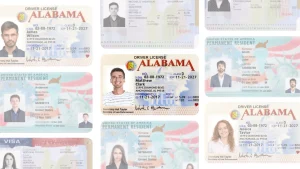


Fake ID Marketplace Raid Exposes Risks for Online Platforms
March 24, 2026
The U.S. Department of Justice (DOJ) and Federal Bureau of Investigation (FBI) dismantled a large fake ID operation in Albuquerque, New Mexico, revealing how counterfeit identities threaten online platforms and digital verification systems.
Federal authorities have shut down a large fake ID production and distribution network, shining a light on just how sophisticated identity fraud operations have become. The announcement came from the U.S. Department of Justice after a raid led by the Federal Bureau of Investigation (FBI) in Albuquerque, New Mexico.
According to officials, investigators uncovered a sizable operation producing counterfeit identification documents and distributing them to buyers across the country—and potentially beyond. During the raid, authorities reportedly seized advanced printing equipment, internal databases, and thousands of fake IDs.
While the investigation is still unfolding, prosecutors have already filed initial charges tied to the case. Authorities are now digging through the seized records to understand the full scope of the operation and identify additional individuals who may have been involved.
Example Case: The VerifTools Fake ID Marketplace
Fake ID operations aren’t just shady basement setups anymore—they’re running like online stores.
One platform reported in the news is VerifTools, which allegedly let users generate realistic counterfeit IDs to slip past verification checks.
What Was VerifTools?
VerifTools reportedly operated like an online marketplace for fake identification. Customers could order IDs designed to closely mimic real government-issued documents, effectively selling identity online and giving them a shortcut past age restrictions, Know Your Customer (KYC) checks, and other verification systems.
How Criminals Used VerifTools
Reports say IDs from platforms like VerifTools were used to bypass identity verification and support fraud schemes.
Fraudsters reportedly used them to:
- Bypass KYC identity verification systems used by banks and digital platforms
- Open fake bank or cryptocurrency accounts under fabricated identities
- Carry out phishing or financial scams that rely on false identities
- Circumvent age restrictions on certain online services
For businesses that rely on identity verification, that’s a big deal. If fake identities slip through the cracks, companies can end up dealing with fraud losses, regulatory headaches, and even compliance penalties.
This is why digital identity fraud prevention has become a priority for online platforms.
What Authorities Discovered During the Raid
When the FBI hit the Albuquerque location, what they found was more than just a few fake IDs—it was a full-blown, high-tech operation.
From piles of counterfeit documents to advanced production equipment and global distribution methods, the raid revealed just how organized and far-reaching these fake ID networks have become.
Scale of the Operation
Authorities believe the operation produced and sold a large number of counterfeit identification documents.
Among the items reportedly recovered were:
- Fake driver’s licenses
- Counterfeit student IDs
- Fraudulent passports
The variety of documents suggests the operation aimed to serve multiple types of buyers—from underage individuals to organized fraud groups.
Technology Used
Investigators also uncovered technology used to support the counterfeit operation, including:
- Advanced printing equipment capable of producing realistic ID cards
- Encrypted messaging platforms and online marketplaces used to coordinate orders and communicate with buyers
- Global shipping networks that allowed the counterfeit IDs to be delivered internationally
Target Customers
Authorities say the customer base appeared to include several groups.
Some buyers were underage individuals seeking access to alcohol, clubs, or other age-restricted environments.
Others were fraudsters, using fake identities to commit financial crimes or identity theft. In some cases, counterfeit IDs were reportedly used to create online accounts that could bypass identity verification checks.
How the Fake ID Marketplace Worked
You might be surprised, but this fake ID operation ran a lot like a regular online store.
From placing orders to making the IDs to getting them into customers’ hands, investigators say the whole thing had an almost e-commerce vibe—making it pretty easy for buyers to grab counterfeit IDs without raising any flags.
Online Ordering System
According to investigators, the process worked a lot like a typical online purchase.
Customers could place orders through websites or dark web portals, submitting the personal details needed for the fake ID. Payments were typically made using cryptocurrency or other anonymous payment methods, helping keep transactions harder to trace.
Production and Distribution
Once an order came in, operators produced the ID using high-quality templates designed to mimic government-issued documents. Some cards attempted to replicate security elements like embedded barcodes or holograms.
After production, the IDs were shipped through standard postal services, allowing them to travel across regions while blending in with regular mail.
Digital Promotion
The operation didn’t rely solely on word of mouth.
Authorities say it was promoted online through:
- Social media advertising
- Messaging apps used for customer communication
- Affiliate resellers, some of whom allegedly targeted college students looking for fake IDs
Why This Case Matters for Online Platforms
Fake IDs aren’t just a bar or club problem anymore—they’ve gone digital.
As more services move online, identity fraud has started showing up in places you might not expect, creating headaches for businesses across industries.
Identity Fraud Is Moving Online
For years, fake IDs were mostly associated with bars, liquor stores, or clubs. But today, the game has changed.
More and more, counterfeit IDs are being used to bypass online verification systems. As businesses move more services online, digital identity fraud has become a growing concern across multiple industries.
Platforms Under Pressure
Some types of platforms are feeling this pressure more than others:
- E-commerce marketplaces – Scammers can use fake IDs to open accounts, buy stuff, or even game promotions. It’s not just a money loss—it can also hurt trust between buyers and sellers.
- Social media networks – Fake accounts with counterfeit IDs can be used for scams, phishing, or spreading misleading information. Platforms need to stay sharp to keep real users safe and maintain credibility.
- Online gambling and gaming platforms – Age checks are a big deal here. Fake IDs can let underage users slip in, which can get platforms into trouble with regulators and possibly lead to fines.
All of these rely heavily on identity checks to prevent fraud and enforce regulations.
Regulatory Scrutiny Increasing
At the same time, regulators are paying closer attention. Governments are increasingly pushing companies to adopt stronger identity verification tools, especially for services involving financial transactions or age-restricted products.
Risks Fake IDs Create for Digital Businesses
Don’t underestimate fake IDs—they’re more than just a nuisance. When they slip through online verification systems, businesses can end up juggling fraud, underage users, and regulatory headaches all at once.
Account Fraud
Fraudsters can create fake accounts using counterfeit identities, making it easier to operate undetected.
Underage Access
Fake IDs can allow minors to access alcohol, tobacco, gambling, or adult content platforms that require age verification.
Financial Crimes
Fraudsters may also use fake identities to commit payment fraud or generate chargebacks, which can create direct financial losses for businesses.
Platform Liability
Beyond fraud losses, platforms can face compliance violations or regulatory penalties if they fail to properly verify users.
Red Flags Platforms Should Watch For
Security experts say there are several warning signs that may indicate fake ID activity.
Knowing what to look for can help platforms catch fraud before it spirals out of control:
- Multiple accounts created with similar ID templates – If several users are submitting IDs that look almost identical, it could signal a batch of fakes.
- Barcode data mismatches – When the encoded information on an ID doesn’t match what’s visually printed, it’s a classic sign of tampering.
- Suspicious IP addresses or proxy usage – Accounts logging in from unusual locations or using anonymizing tools may be trying to hide their real identity.
- Repeated verification failures – Users who keep failing ID checks could be attempting to slip through with counterfeit documents.
- Image manipulation or edited documents – Cropped, blurry, or digitally altered IDs are often a giveaway that something isn’t legitimate.
Spotting these patterns early gives platforms a chance to intervene, flag high-risk accounts, and prevent fraud from spreading—keeping both the business and its customers safer.
How Online Platforms Can Prevent Fake ID Abuse
To combat these risks, many companies are turning to more advanced identity verification tools.
AI-Based Document Verification
AI systems can analyze ID images and detect manipulated or counterfeit documents.
Barcode and Data Validation
Verification tools can confirm that encoded data matches what appears on the ID.
Biometric Verification
Selfie verification helps confirm that the person submitting the ID matches the photo on the document.
Risk-Based Authentication
Platforms can require additional verification steps for higher-risk users.
Real-Time Fraud Monitoring
Monitoring systems help detect suspicious behavior patterns as they occur.
Law Enforcement’s Message to Fraud Networks
For law enforcement, the Albuquerque raid sends a clear message.
Authorities say investigations into fake ID marketplaces are increasing, and federal agencies are working more closely with online platforms to identify and dismantle these networks.
Officials also suggest that more fake ID crackdowns could be coming as investigators continue tracking the digital infrastructure behind counterfeit identity operations.
For businesses operating online, the takeaway is simple: identity fraud isn’t standing still—and neither can the systems designed to stop it.