


SIM Swap Scams Surge: Why Retailers Must Act Now
February 6, 2026
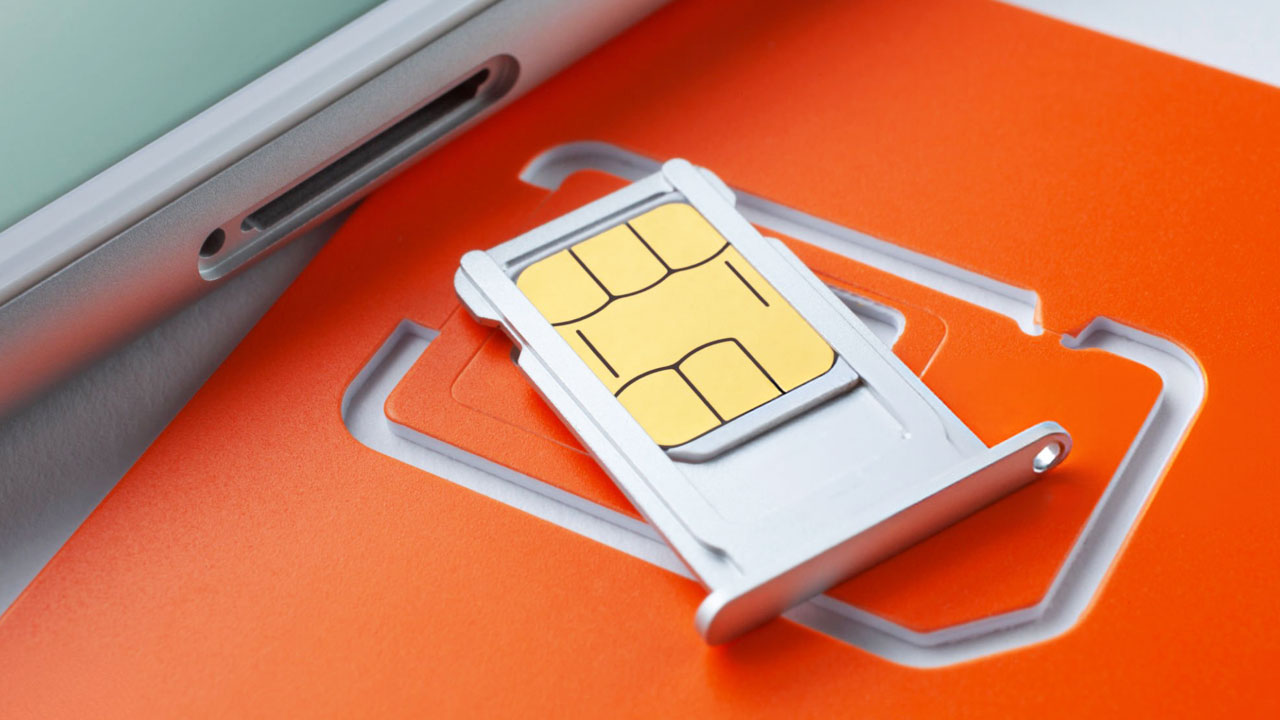
As fraudsters hijack mobile numbers to bypass security controls, retailers face rising account takeovers, loyalty abuse, and payment fraud.
What’s Driving the SIM Swap Surge
Subscriber identity module (SIM) swap attacks are no longer isolated incidents—they’ve become a growing, repeatable attack pattern targeting retailers and their customers. Fraudsters are refining their tactics, moving faster, and finding new ways to exploit common security gaps.
Here’s what retailers are seeing most often:
A spike in SIM swap–driven retail account breaches
Retailers are seeing a noticeable increase in account takeovers tied directly to SIM swaps. Once a phone number is compromised, attackers can move quickly—often taking over accounts in minutes.
These breaches are happening more frequently and at greater scale, making SIM swap fraud a serious and ongoing threat for any retailer with online accounts or loyalty programs.
The speed and scale of these attacks make them a top threat for any retailer with digital accounts or loyalty programs.
Fraudsters hijack customer numbers to bypass SMS security
Many retailers still rely on SMS one-time passwords (OTPs) to keep accounts secure—but attackers know how to exploit this. By transferring a customer’s number to a new SIM, they can bypass SMS checks entirely, reset passwords, and get access to payment methods or loyalty points. This is a clear sign that SMS alone isn’t enough—security strategies need to evolve.
Retailers facing unauthorized purchases and loyalty theft
Once fraudsters have control, they often make high-value purchases, drain loyalty points, or cash out gift cards, hitting revenue directly.
But the impact doesn’t stop there—retailers also face chargebacks, angry customers, and extra work for support teams, which can add up to a bigger hit than the initial fraud. Staying alert and proactive is key to protecting both your bottom line and your customers.
How Do SIM Swap Scams Work?
SIM swap attacks are no longer rare, one-off incidents—they’re becoming a real, ongoing problem for retailers and their customers.
In simple terms, a SIM swap scam happens when a fraudster tricks a mobile carrier into moving a customer’s phone number to a new SIM card they control. From there, they can intercept text messages, reset passwords, and get access to accounts, loyalty points, and payment methods.
Fraudsters are getting faster, smarter, and more creative, finding new ways to exploit gaps in security.
Step 1: Data Collection
Before an attacker can hijack a number, they need information. This usually comes from phishing emails, data breaches, or social engineering—tricking customers or even staff into revealing personal details.
They may also gather information from social media, leaked credentials, or publicly available data. The more they know about the target, the easier it is to impersonate them to the mobile carrier.
Step 2: SIM Transfer Request
With enough personal data, attackers contact the mobile carrier and convince them to move the victim’s phone number to a new SIM card—one they control.
Once the transfer is complete, all calls, texts, and SMS-based security codes are routed to the attacker instead of the customer. This step bypasses traditional SMS authentication, giving fraudsters full access to accounts that rely on mobile verification.
Step 3: Account Takeover
Once the number is in the attacker’s hands, the real damage begins. They can reset passwords, access bank and retail accounts, make high-value purchases, and drain loyalty points or gift cards.
Often, victims don’t realize anything is wrong until it’s too late. This is why early SIM swap detection and proactive monitoring are critical for retailers—catching suspicious activity quickly can prevent significant financial and reputational damage.
Who’s Most at Risk
SIM swap attacks aren’t random—they target accounts and systems that are most valuable or easiest to exploit. Understanding who’s vulnerable helps retailers focus their defenses where they matter most.
Customers with Stored Payments or Loyalty Points
Accounts that store credit cards, digital wallets, or loyalty balances are prime targets. Fraudsters can make unauthorized purchases or cash out points, turning small oversights into big financial losses for both the retailer and the customer.
High-Value Retail Accounts
Fraudsters also go after premium or high-spending accounts, where the payoff from a single takeover is significant. Any account that regularly purchases expensive products or accumulates rewards quickly is a potential target.
Retail Systems Relying on SMS OTPs
Retailers that still rely heavily on SMS one-time passwords for authentication are particularly vulnerable. Once attackers hijack the phone number, they can bypass the security measures entirely, gaining access to accounts and sensitive customer data.
Red Flags Retailers Should Watch For
SIM swap attacks don’t always announce themselves—they often leave subtle signs before the damage is done. Knowing what to watch for can help retailers catch fraud early, protect customers, and minimize losses.
Here are the most common warning signs to watch out for:
Sudden changes in phone numbers or account credentials
If a customer suddenly updates their phone number or resets account credentials without explanation, it could be a red flag for a SIM swap attempt. Quick action here can prevent fraudsters from gaining full access.
Multiple OTP requests in a short window
Several one-time password requests in rapid succession usually indicate suspicious activity. Fraudsters often trigger multiple OTPs as they try to take over accounts, so monitoring this behavior is crucial.
High-value purchases immediately after account recovery
If a customer account suddenly makes expensive purchases or large transactions right after a password reset or account recovery, it’s a common sign of fraudulent takeovers. Early detection can save significant losses.
Rapid redemption of loyalty points or gift cards
Attackers love to cash out quickly, and loyalty points or gift cards are an easy target. Rapid redemption activity should always be flagged and investigated to prevent loss.
Spikes in customer complaints about unexpected loss of mobile service
A sudden increase in complaints from customers unable to access their mobile service may indicate ongoing SIM swap attacks. These patterns can help retailers spot problems before widespread damage occurs.
How Retailers Can Fight Back
As SIM swap scams continue to rise, retailers need defenses that go beyond the basics. The good news? Small, strategic changes can make a big difference. The approaches below focus on strengthening security where fraudsters strike most—without creating unnecessary friction for customers.
Move Beyond SMS-Based Authentication
SMS one-time passwords used to do the job, but today they’re one of the easiest things for fraudsters to get around. If someone takes control of a phone number, SMS security breaks down fast. Moving to stronger, layered authentication—like app-based authenticators, passkeys, or device-based checks—adds protection without slowing customers down.
Add SIM Swap Detection Signals
You may not control what happens at the mobile carrier, but you can watch for signs that something isn’t right. Looking for recent SIM changes, number porting activity, or sudden device shifts helps flag risky situations early. These signals give you a chance to pause, verify, or block activity before fraud turns into a loss.
Strengthen Identity Verification
Account recovery is one of the most common entry points for SIM swap fraud. Adding stronger identity checks during password resets or phone number changes makes it much harder for attackers to pose as legitimate customers. The goal is simple: make recovery secure, but still smooth for real users.
Enhance Behavioral Monitoring
Fraudsters leave behind patterns—often before anyone realizes an account has been compromised. Monitoring for unusual login behavior, sudden spikes in spending, or rapid loyalty redemptions helps surface problems early. When behavior doesn’t match the customer, it’s a sign to take a closer look.
Train Customer Support Teams
Support teams are often the first to hear when something goes wrong. Making sure they know the red flags, follow secure verification steps, and escalate suspicious cases quickly can stop a bad situation from getting worse. A well-prepared support team can be one of your strongest defenses.
Protect Loyalty and Stored Value Systems
Loyalty points, gift cards, and stored balances are especially attractive to fraudsters because they’re easy to cash out. Adding extra safeguards around redemptions—like step-up verification or transaction limits—helps protect revenue and prevent frustration for loyal customers.
If You’ve Been Targeted
Discovering a SIM swap–related incident can feel overwhelming, but how you respond in the first few moments makes a big difference. Acting quickly and methodically can limit damage, protect your customer, and prevent repeat attacks.
Here’s what retailers should do when SIM swap fraud is suspected or confirmed:
Freeze the customer account
The first step after detecting suspicious activity is to temporarily freeze the affected account. This prevents fraudsters from making additional purchases, redeeming loyalty points, or changing account details. Acting quickly here stops the attack in its tracks and protects both your business and your customer.
Block fraudulent orders or redemptions
Next, review recent activity and stop any unauthorized transactions from being processed. This includes suspicious orders, gift card purchases, or loyalty point redemptions. Blocking these transactions early helps minimize financial loss and reduce downstream issues like chargebacks.
Help customers reset their identity securely
Once the immediate threat is contained, guide the customer through a secure account recovery process. This should include resetting passwords, updating authentication methods, and re-verifying identity using stronger checks. Clear communication here is key—it helps restore confidence and reassures customers that their account is truly secure again.
Review logs and tighten recovery workflows
Take time to review system logs and recovery events to understand how the takeover happened. Look for gaps in verification or monitoring, then adjust workflows accordingly. Strengthening these processes reduces the risk of the same attack happening again.
Report to Federal Trade Commission (FTC)
Reporting the incident to the FTC helps support broader efforts to track and combat SIM swap fraud. It also shows that your business is taking the situation seriously and acting responsibly when customer data and accounts are affected.
Report to Federal Communications Commission (FCC)
Because SIM swaps involve mobile carriers, it’s also important to report incidents to the FCC. These reports can help identify carrier-level weaknesses and contribute to industry-wide improvements that protect both retailers and consumers.
SIM swap fraud isn’t going away—but retailers who understand the risk and act early are far better positioned to protect their customers, their revenue, and their reputation.