


Businesses must stay ahead in a digital-heavy world where data breaches and identity theft are common.
Biometric authentication offers a modern solution for better security and smoother user experiences.
But what is biometric authentication, and how can it help your business?
In this blog post, we’ll check out the methods, advantages, and disadvantages of biometric authentication to help you make an informed choice for your business.
What Is Biometric Authentication?
Before we jump into the methods, advantages, and disadvantages of biometric authentication, let’s look at what it is exactly.
Definition and Explanation
Biometric authentication is the process of using unique biological traits to verify an individual’s identity. These traits can include fingerprints, facial features, voice patterns, and even behavioral characteristics.
Using these unique identifiers, biometric systems provide a more secure and efficient method to authenticate users.
Brief History and Evolution
This may come as a surprise, but biometric authentication is nothing new.
Ancient civilizations used physical markers, like fingerprints, for identification purposes. However, modern biometric systems began to take shape in the late 20th century with the advent of digital technology.
In today’s day and age, biometric authentication is a sophisticated field that combines computer science, AI, and human biology to create highly accurate identification systems.
Common Use Cases in Everyday Life
Biometric authentication has found its way into various aspects of our daily lives.
From unlocking smartphones and accessing banking apps to managing airport security and controlling access to high-security areas, the applications are endless.
For business owners, understanding these use cases can provide valuable insights into how biometric technology can be integrated into their operations.
How Does Biometric Authentication Work?
General Workflow
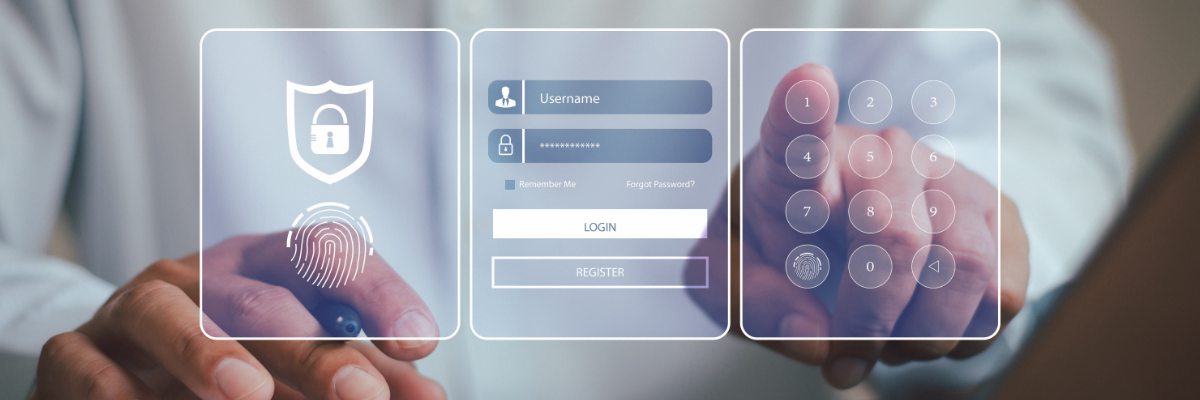
Typically, the biometric authentication process consists of three stages:
1. Enrollment: This is the initial stage where a user’s biometric data is captured and stored in the system. For example, during fingerprint enrollment, a scanner captures the unique patterns of a user’s fingerprint.
2. Data Storage: The captured biometric data is then securely stored in a database. Advanced encryption techniques ensure that this data remains protected from unauthorized access.
3. Verification Stages: When a user attempts to access a system, their biometric data is captured again and compared against the stored data. If there’s a match, access is granted.
Liveness Detection
Liveness detection is crucial, especially for facial recognition systems. It ensures that the biometric data being given is from a live person and not a spoof (such as a photo or a mask). Biometric authentication techniques, like checking for eye movements or subtle facial expressions, are commonly used to enhance the accuracy of facial recognition.
Biometric Authentication Methods
Fingerprint Recognition
How It Works
Fingerprint recognition consists of capturing the unique patterns of ridges and valleys on a person’s fingertip. These patterns are then converted into digital data and compared against stored records for verification.
Common Use Cases
Fingerprint recognition is widely used in smartphones, laptops, and security systems. It’s a quick and reliable method for authentication, making it popular in consumer electronics and enterprise security solutions.
Facial Recognition
How It Works
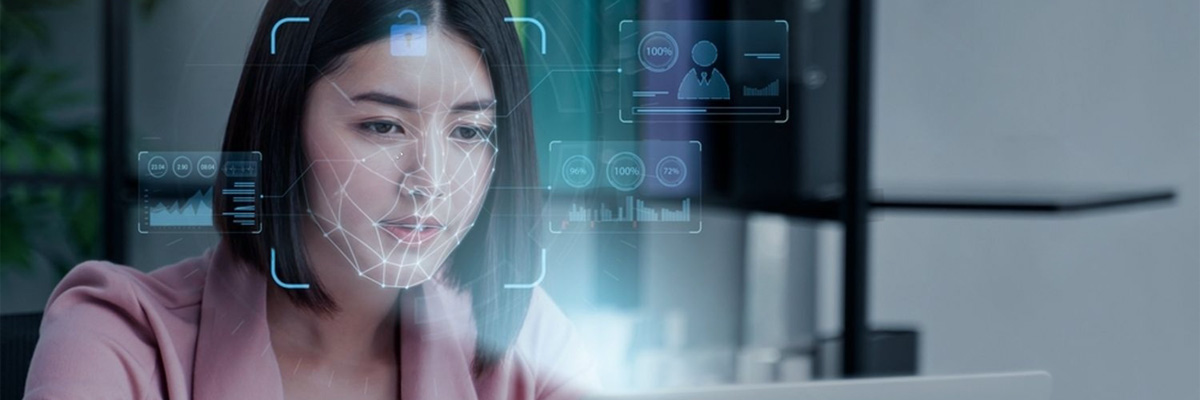
Facial recognition technology analyzes various facial features, such as the distance between the eyes, nose width, and jawline shape. These features are converted into a mathematical representation and compared against stored data.
Common Use Cases
Facial recognition is commonly used for unlocking devices, surveillance systems, and even in retail for personalized customer experiences. Since it’s non-intrusive, it makes it a convenient option for many applications.
Iris Recognition
How It Works
Iris recognition involves scanning the unique patterns in the colored ring surrounding the pupil of the eye. These patterns are highly stable and unique, making iris recognition one of the most secure biometric methods.
Common Use Cases
Iris recognition is commonly used in high-security environments, like government buildings and border control. Its accuracy and reliability make it ideal for applications requiring strict security measures.
Voice Recognition
How It Works
Voice recognition technology analyzes vocal characteristics and speech patterns to verify a person’s identity. Factors like pitch, tone, and rhythm are used to create a unique voice profile.
Common Use Cases
A biometric authentication option like voice recognition is commonly used in virtual assistants like Siri and Alexa, as well as in phone security systems. It’s a hands-free authentication method that offers convenience and accessibility.
Retina Scan
How It Works
A retina scan captures the pattern of blood vessels at the back of the eye. This pattern is highly unique and remains stable over time, making it a reliable biometric identifier.
Common Use Cases
Retina scans are mainly used in high-security environments, such as banks and research facilities. The high level of security offered by retina scans makes them suitable for areas where maximum protection is required.
Behavioral Biometrics
How It Works
Behavioral biometrics analyzes patterns in user behavior, like how quickly someone types and mouse movements. These subtle patterns are unique to each individual, much like a digital fingerprint, and can be used for continuous authentication.
Common Use Cases
Behavioral biometrics are often used for fraud detection and continuous authentication in financial services. They provide an additional layer of security by monitoring user behavior in real-time.
Vein Recognition
How It Works
Vein recognition scans the unique blood vessel patterns inside your finger or palm using near-infrared light, which sit beneath the skin and are extremely difficult to copy. The system converts the scan into a digital template for identity verification, and no two people share the same vein map—even identical twins.
Common Use Cases
Banks use vein recognition for high-value transactions. Hospitals rely on it to match patients with their medical records. Some office buildings let employees wave a hand to get through secure doors. Japan leads the way with vein-based ATMs that cut down card fraud.
What Is Multimodal Biometric Authentication?
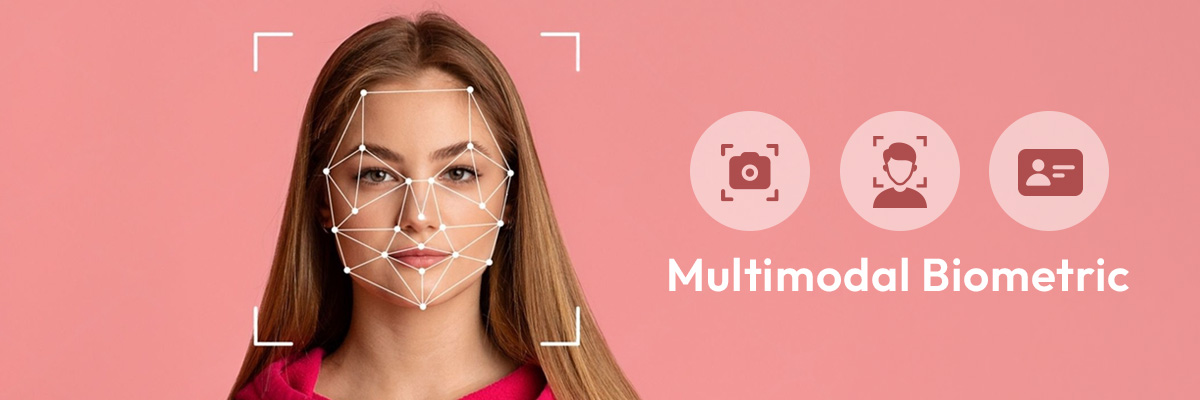
Multimodal biometric authentication uses two or more biological traits to verify someone’s identity. Think fingerprint plus facial recognition together instead of just one method.
Unimodal systems depend on a single trait. That is faster and cheaper, but also easier to beat. A good photo can fool basic facial recognition software. A lifted print can trick a fingerprint scanner.
Multimodal systems layer multiple checks. You need your face and your voice. Or your fingerprint and your iris. If one factor fails or gets faked, the other still blocks access. False rejection rates drop too because the system has more data to work with.
Most high-security environments have already switched to multimodal. The extra step adds maybe a second to the process but removes most of the weak spots found in single-method systems.
Now let’s explore the advantages and disadvantages of biometric authentication.
Advantages of Biometric Authentication
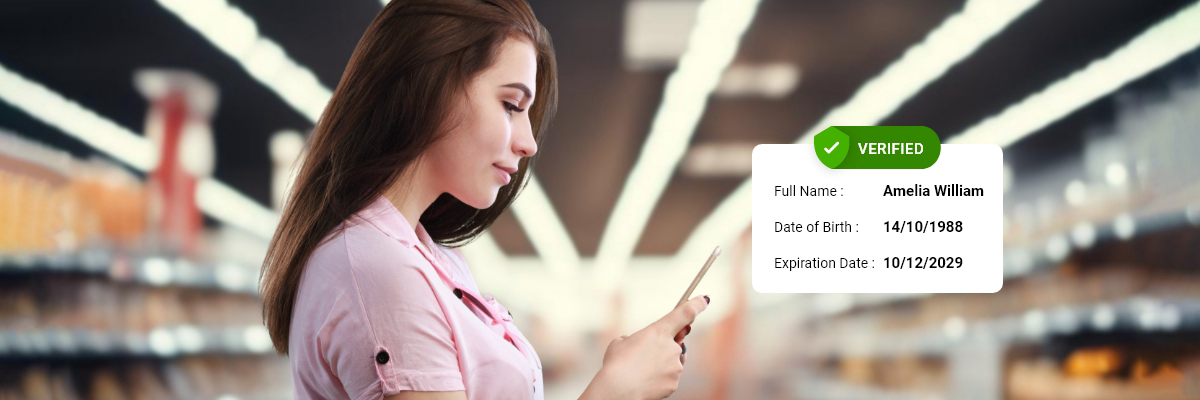
Enhanced Security
Biometric authentication provides a higher level of security compared to traditional methods like passwords and PINs. Biometric traits are unique and difficult to replicate, making it challenging for unauthorized users to gain access.
Convenience and Efficiency
Biometric systems make authentication a breeze, so no more fussing over remembering complex passwords – who has time for that? This upgrade not only enhances user experience but also cuts down on time spent dealing with authentication tasks.
Unique Identification
The uniqueness of biometric traits ensures accurate identification, reducing the risk of identity theft. Unlike passwords, which can be easily shared or stolen, biometric data is inherently secure.
Non-Transferable
Biometric traits cannot be easily shared or transferred, which adds an extra layer of security. This makes biometric authentication more reliable than traditional methods, which can be compromised.
Improved User Experience
Biometric authentication offers quicker and more user-friendly access compared to traditional methods. Users can quickly and easily verify their identity, enhancing overall satisfaction and productivity.
Disadvantages of Biometric Authentication
Privacy Concerns
One major drawback of biometric authentication is the possibility of privacy violations. Biometric data is highly sensitive, and if it’s misused, it can lead to major consequences. It’s crucial to have strong data protection measures in place to reduce these risks.
Security Risks
Biometric systems provide better security. However, they still have vulnerabilities. Techniques like spoofing and hacking can compromise biometric data, highlighting the need for continuous advancements in security measures.
Cost and Complexity
Using biometric systems in a business can be expensive and complicated. The initial investment in hardware and software, along with ongoing maintenance, can be a major barrier for some businesses.
False Positives/Negatives
Biometric systems are not always 100% accurate. False positives (incorrectly granting access) and false negatives (incorrectly denying access) can potentially occur, which could result in disrupting operations.
Accessibility Issues
Not all users can use biometric methods because of physical or medical conditions. Ensuring accessibility for all users is a challenge that needs to be addressed when implementing biometric systems.
Passwords vs. Biometrics: Which One Is Stronger?
Passwords are just strings of text. People pick weak ones. They reuse them across ten different sites. They write them on sticky notes. Hackers steal millions of passwords in one breach and try them everywhere else.
Biometrics does not have that problem. You cannot guess a fingerprint. You cannot phish a face. You cannot reuse your iris across multiple accounts because you only have one.
But here is the truth people miss. Biometrics is not stronger because it is perfect. It is stronger because it changes the game. Attackers cannot mass-harvest biometrics from a single data dump the way they grab passwords. Every biometric is unique to one person. That kills credential stuffing and most remote attacks cold.
The real strength comes from liveness detection. A password does not prove you are you. It only proves you know a secret. Biometrics proves you are physically present. That gap alone makes biometrics the clear winner for anything that actually needs securing.
Ready to stop relying on passwords that fail? Book a live demo
and test biometrics on your actual devices.
Busting the Biggest Myths About Biometric Authentication
Myth 1: Implementing biometric systems costs too much
Fact
Ten years ago, yes. Now? A decent fingerprint scanner costs less than a good keyboard.
Most laptops and phones already have facial recognition built in. Cloud-based biometric services charge per verification, not per user.
Small businesses can start for a few hundred dollars. That is less than one security audit or one small data breach.
Myth 2: Biometric information is easy to hack or steal
Fact
Nobody walks around with their fingerprint data broadcasted in the open. Biometric systems store templates, not raw images. Those templates cannot be reversed into your actual fingerprint.
Modern systems encrypt everything and keep biometric data on the device instead of sending it to a server. Stealing a hashed template gives an attacker nothing useful.
Passwords get stolen every day. Biometric databases? Almost never.
Myth 3: Biometric systems are completely error-free
Fact
No security system is perfect. Biometrics fails sometimes. Wet fingers cause bad reads. Bad lighting confuses cameras. Scars change fingerprint patterns.
But here is the difference: biometric systems tell you when they fail. Passwords fail silently. A wrong password just says no.
Biometrics can try again, ask for a different finger, or fall back to another method. Perfect does not exist. Good enough with transparency beats perfect with blind spots.
Myth 4: Biometric systems can be easily spoofed
Fact
Spoofing works on cheap, old systems. A printed photo fooled basic facial recognition five years ago. That is not the case anymore.
Liveness detection kills photos, masks, and videos. Modern systems check for eye movement, skin texture, heat signatures, and even pulse detection. Some ask you to blink or turn your head. Fingerprint scanners now look for blood flow.
The effort required to spoof a modern biometric system is higher than just stealing a password. Most attackers will move on to easier targets.
Wrapping Up
Biometric authentication offers a promising solution for enhancing security and improving user experience. Indeed, there are both advantages and disadvantages to biometric authentication, but the benefits often outweigh the drawbacks, making it a valuable tool for businesses.
Business owners can make informed decisions about integrating biometric authentication into their operations by understanding the various methods and their applications. Whether it’s through fingerprint recognition, facial recognition, or behavioral biometrics, the future of secure authentication is here.
Are you ready to take the next step in securing your business? Set up a consultation and experience a demo with us to discover how we can help you achieve a higher level of security and efficiency.
Make Verification Easier for Your Team
Small improvements in how IDs are verified can lead to faster decisions, fewer errors, and
more consistent outcomes across your team.