


The Return Scam: Why 1 in 5 Fraudulent Returns Now Come from Organized Networks
August 17, 2026
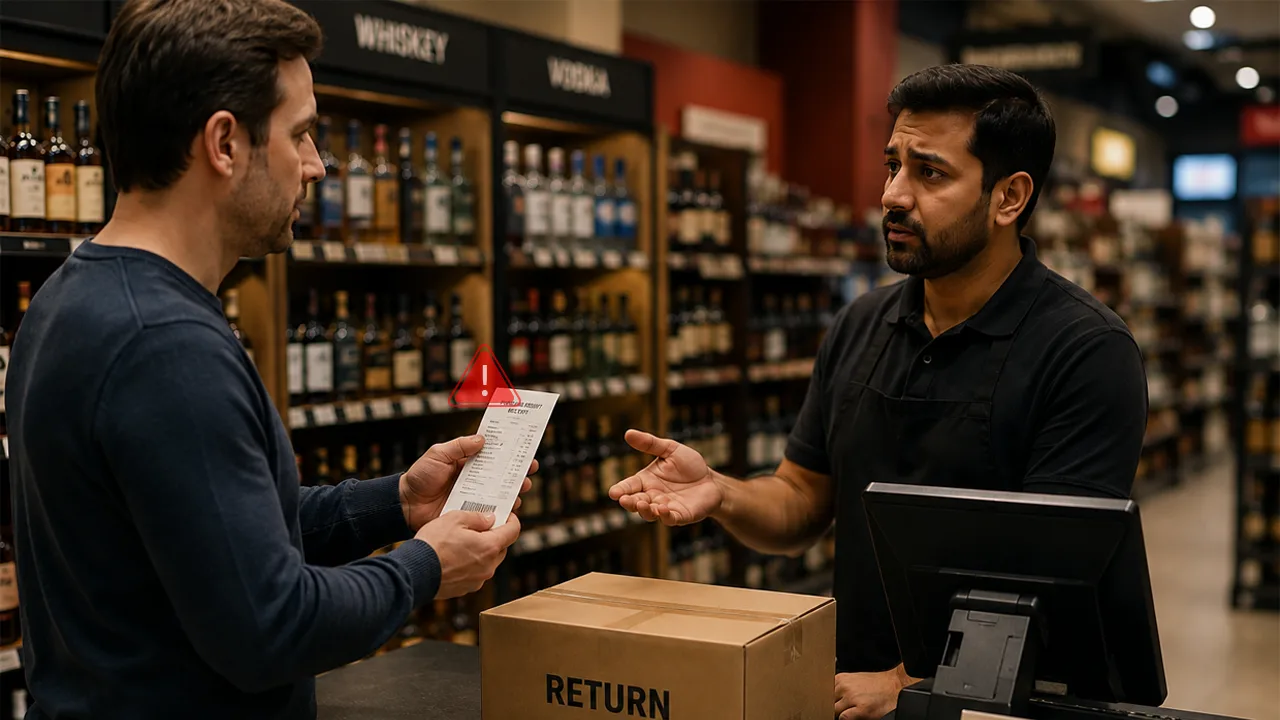
As organized fraud rings replace isolated policy abusers, retailers are facing a multi-billion-dollar threat. Fueled by social media coordination, and fraudulent decoys, nearly 1 in 5 fraudulent returns are now linked to organized networks, according to Happy Returns, a UPS company.
What Is a Return Scam?
A return scam occurs when someone intentionally exploits a retailer's return policy to obtain money, merchandise, store credit, or gift cards they aren't entitled to. Not every return is made in good faith, and knowing how these scams work is the first step toward spotting and stopping them.
Defining the Threat
While some return fraud is just individual shoppers bending the rules, today's biggest threat comes from organized retail crime (ORC) groups. These coordinated networks target multiple retailers at once, use sophisticated tactics like fake receipts and counterfeit IDs to avoid detection, and continuously adapt their methods.
The 2026 Shift: From Individual Abuse to Organized Return Syndicates
Return fraud has evolved beyond someone returning a worn item or claiming they lost a receipt.
Today's organized fraud rings recruit participants through social media, online forums, and messaging apps, where they share tactics, counterfeit receipts, fake IDs, and information about retailers with lenient return policies.
Many groups even divide responsibilities, with different individuals handling theft, fake documentation, and returns across multiple store locations.
Think fake IDs are easy to spot? Learn how organized fraud groups are using advanced tools to
create convincing identities and avoid detection.
The Cultural Risk: When Return Fraud Becomes "Acceptable"
Organized fraud isn't the only challenge retailers face. Consumer attitudes toward return abuse have also changed, making certain behaviors seem more acceptable than they once were.
According to research from NRF and Happy Returns:
- 45% of shoppers believe it's acceptable to occasionally bend return rules.
- 39% of Gen Z consumers admit to returning a different item than the one they originally purchased.
Although these behaviors differ from organized retail crime, they contribute to a culture where return fraud is becoming increasingly normalized, creating additional challenges for retailers.
How Organized Networks Execute Return Scams
Organized retail return fraud rarely relies on a single tactic. Instead, fraud rings combine multiple methods to exploit return policies while minimizing the risk of detection. Understanding these schemes can help retailers identify suspicious behavior before losses escalate.
Social Media Fraud Recruitment & Shared Playbooks
Social media, encrypted messaging apps, and online forums have become hubs for organized return fraud. Participants share step-by-step tactics, counterfeit receipt templates, fake ID techniques, and information about retailers with lenient return policies, allowing scams to spread quickly.
Fake ID & Synthetic Identity Exploitation
Fraudsters often use counterfeit driver's licenses, altered IDs, or synthetic identities to bypass return limits, create multiple customer profiles, and obtain refunds under different names. Without reliable ID verification, many of these fraudulent returns appear legitimate.
Fraudsters often use counterfeit driver's licenses, altered IDs, or synthetic identities created with real and fabricated information to bypass return limits, create multiple customer profiles, and obtain refunds under different names.
Decoy & Empty-Box Fraud
Instead of returning the original product, fraudsters may replace it with a cheaper item, damaged merchandise, or even an empty box. These scams often succeed when returned items aren't thoroughly inspected before a refund is issued.
Store Credit & Gift Card Laundering
Rather than requesting cash, organized fraud rings frequently seek store credit or gift cards, which can be resold or exchanged for cash. An unusually high number of store credit refunds may indicate coordinated fraudulent activity.
Cross-Store Serial Return Networks
To avoid return fraud detection, organized groups often spread fraudulent returns across multiple store locations. Without centralized tracking, these seemingly isolated transactions can continue unnoticed for extended periods.
Returning Stolen Merchandise
One of the simplest return scams involves stealing merchandise and returning it for a refund or store credit. Retailers without purchase validation or receipt verification are especially vulnerable to this tactic.
Fake Damage Claims
Some fraudsters intentionally damage products—or falsely claim an item arrived damaged—to receive a refund while keeping or replacing the merchandise. Thorough inspections and documentation can help identify questionable claims.
Receipt Fraud
Counterfeit, altered, or duplicated receipts are commonly used to support fraudulent returns. Verifying receipts against original transaction records is far more effective than relying on visual inspection alone.
Product Rental (Wardrobing)
Wardrobing occurs when someone buys a product with the intention of using it temporarily before returning it for a refund. While often associated with clothing, it also affects electronics, tools, and other high-value items, resulting in inventory losses and products that can no longer be sold as new.
Warning Signs Your Retail Operation Is Being Targeted
Not every suspicious return is part of an organized fraud ring, but recurring patterns can indicate a larger issue. Recognizing these warning signs early can help retailers investigate suspicious activity, strengthen return procedures, and reduce losses.
Velocity Spikes in Non-Receipt Returns
Occasional returns without a receipt are expected, but a sudden increase—especially for high-value items—may indicate organized fraud. Tracking these trends can help uncover suspicious activity before it escalates.
Repeated High-Value Returns Across Shift Changes
Fraudsters often visit multiple times to interact with different employees and avoid recognition. If expensive returns involving similar products or customer information occur across different shifts, they may warrant further review.
Inconsistent ID Barcode Data
A counterfeit ID may look legitimate while containing barcode data that doesn't match the printed information. Using technology to validate IDs can help detect fraudulent identities that visual inspections might miss.
Learn how sophisticated counterfeit IDs bypass basic scanning systems
and what retailers can do to strengthen identity verification.
Decoy & Tampered Packaging
Inspect returned products carefully for resealed packaging, missing components, mismatched items, or signs of tampering. A thorough inspection can prevent refunds for substituted or incomplete merchandise.
High-Frequency Store Credit Issuance
Repeated requests for store credit—particularly from the same customer or across multiple locations—can indicate organized fraud or gift card laundering. Monitoring these patterns can help identify suspicious activity.
Refusal to Comply with Digital ID or Biometric Verification
While most customers cooperate with standard verification procedures, fraudsters may resist providing identification or abandon the transaction altogether. Repeated refusal to complete verification should be treated as a potential warning sign.
The Same Individual Returning Numerous Items
Frequent returns aren't always suspicious, but repeated returns of high-value merchandise, multiple product categories, or transactions across different store locations may indicate organized abuse. Reviewing a customer's return history can provide valuable context.
Immediate Returns After Purchase
Returns made shortly after a purchase—particularly when combined with other warning signs—may indicate product swaps, receipt fraud, or other return scams. These transactions often deserve additional scrutiny before a refund is approved.
How Retailers Can Prevent Return Scams
While no retailer can eliminate retail return fraud entirely, the right combination of policies, technology, and employee training can significantly reduce risk. The goal isn't to make returns more difficult—it's to make fraudulent returns much harder to complete.
Learn how retailers can identify suspicious customer behavior, recognize common first-party fraud tactics,
and strengthen their approach to preventing fraudulent returns.
Verify ID at the Point of Return
Requesting identification for qualifying returns helps confirm a customer's identity, enforce return limits, and create a record for future investigations. Consistent ID verification can also discourage opportunistic fraud.
Use AI-Enabled ID Verification
Visual inspections alone aren't always enough to detect fake IDs. AI-powered verification tools can identify counterfeit or altered IDs, validate barcode data, and help ensure the person presenting the ID is its rightful owner.
Share Intelligence Across Locations and Retailers
Organized fraud often spans multiple stores. Sharing return data across locations—and participating in fraud intelligence initiatives when possible—can help retailers identify patterns and coordinated attacks sooner.
Validate the Original Purchase
Whenever possible, match receipts to transaction records, payment information, or product serial numbers. Verifying the original purchase makes counterfeit receipts and fraudulent returns much easier to detect.
Require Refunds to the Original Payment Method
Issuing refunds to the original payment method instead of cash or store credit helps reduce opportunities for fraud while maintaining a consistent return process.
Set Return Limits
Reasonable limits on non-receipted returns, return windows, or high-risk merchandise can help prevent repeated abuse while still supporting legitimate customers.
Track Customer Return History
Reviewing a customer's return history can reveal patterns that aren't obvious from a single transaction, such as frequent high-value returns or repeated requests for store credit.
Inspect Returned Merchandise Carefully
Take time to verify that the correct item has been returned and inspect it for signs of tampering, damage, or missing components before approving a refund.
Use Digital Receipts
Digital receipts make it easier to verify purchases, reduce receipt fraud, and provide customers with a more convenient return experience.
Train Employees to Recognize Patterns
Train employees to identify suspicious behaviors, inspect returned merchandise thoroughly, and know when to escalate questionable transactions. Well-trained staff are one of the strongest defenses against return fraud.
Is your business prepared for the next wave of retail fraud? Learn how AI-driven scams are
evolving and what retailers need to know to stay ahead.
Review and Update Return Policies Regularly
Fraud tactics continue to evolve, so return policies should too. Regularly reviewing your procedures helps close potential gaps while maintaining a fair and consistent experience for legitimate customers.
What to Do If You Suspect a Return Scam
Even with strong return policies in place, suspicious transactions can still happen. The key is responding consistently, documenting what happened, and looking for patterns that may point to organized fraud.
Document the Transaction
Start by recording the important details. This may include the customer's ID (if permitted), receipt or proof of purchase, photos of the returned item, employee notes, and the date, time, and store location. Keeping consistent records makes it easier to identify repeat activity and connect related incidents.
Flag the Customer or Transaction
A single suspicious return may not reveal the full picture. Use your POS or loss prevention system to flag questionable transactions for future review. Centralized records can help employees across multiple locations recognize repeat activity and potential fraud patterns.
Verify the Customer's Identity
If your return process includes ID verification, take the time to confirm the ID is authentic before approving the return. Verification technology can help detect counterfeit or altered IDs that may be difficult to identify through manual review alone.
Report Suspicious Activity
When a return appears fraudulent, follow your company's established procedures for escalation. Cases involving organized retail crime, identity fraud, or significant losses should be reviewed by loss prevention teams and, when appropriate, reported to local law enforcement.
Share Information Across Your Organization
Fraud often extends beyond a single store location. Sharing details with store managers, regional teams, and loss prevention personnel can help other locations recognize similar behavior and identify organized schemes before they spread.