


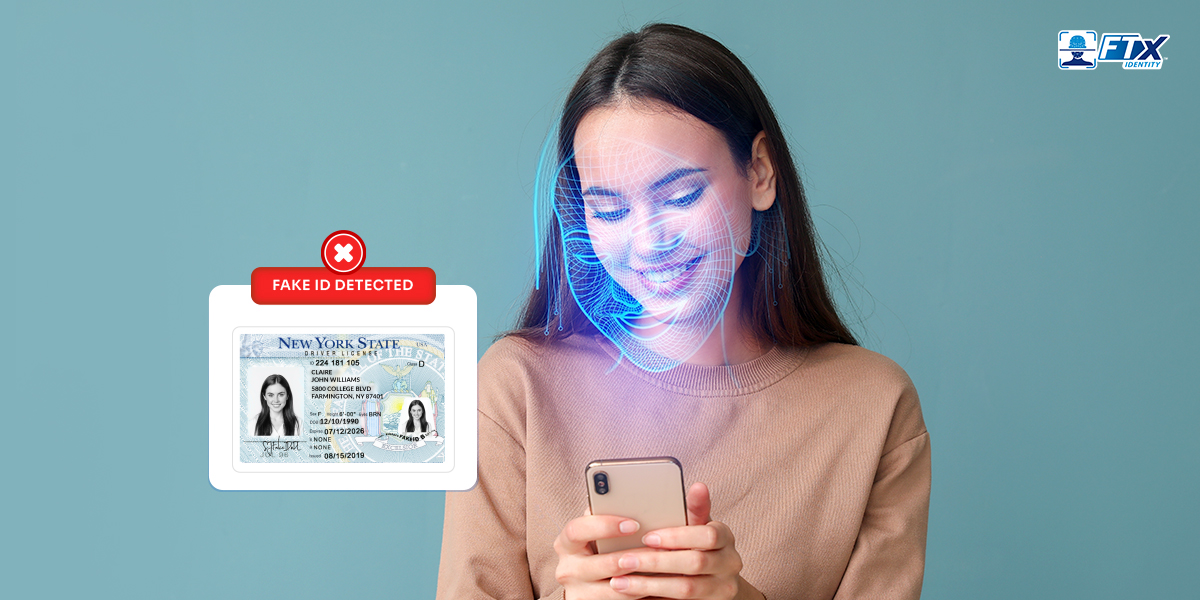
A skilled forger can deceive even the sharpest people.
They are vigilant in creating imitations that are difficult to tell apart from the real thing.
But why does your business have to beware of this?
Just like a forged literature piece or a forged sculpture, a fake ID can be a masterpiece of duplicity. And just like art collectors, it’s your duty to spot the fake ones and put an end to them before they cause damage that’s beyond repair.
According to Scandit, technological solutions are regarded as more effective, with over half of people (51%) saying they believe ID scanning technology would be the most effective at catching fake IDs. Fake IDs can disrupt your business, get in touch to keep your business compliant today!
This guide will provide you with a comprehensive understanding of how to spot a fake ID, the risks associated with accepting one, and the tools and techniques you can use to protect your business. By the end of this blog, you’ll have actionable insights to enhance your ID verification process and safeguard your operations.
Spotting a fake ID takes more than a glance at the photo. It includes barcode scans, physical security features, and staff training, which all matters since fake IDs (some sourced from a fake ID website) can pass a barcode scan without being genuine. Liquor stores, bars, convenience stores, and vape/cannabis retailers face the highest risk, with fines for accepting a fake ID running from $1,000 to $10,000 per violation in some states. AI-based tools now combine pattern recognition, document authentication, and facial matching to catch what a quick visual check misses.
Common Fake ID Detection Mistakes Businesses Make
The businesses that have to regularly deal with ID check processes and take the ID verification seriously tend to make common fake ID mistakes that let fake IDs slip through.
Here’s what to watch for while spotting fake IDs:
Only checking the photo
A quick glance at the photo isn’t always enough. Stolen or borrowed IDs can feature a photo that closely resembles the person presenting it. Taking a few extra seconds to verify details like the date of birth, height, and other identifying information can help you spot a fake ID before completing the sale.
Trusting barcode scans alone
A barcode scan only confirms that the encoded data is scannable and readable, but it doesn’t confirm if the document is genuine or altered or still valid. Sophisticatedly designed fake IDs, many times generated from a fake ID website, can carry barcodes that scan without errors.
Ignoring expired documents
An expired ID scans normally since the expiration of an ID doesn’t change the barcode or stored data. Staff need to focus on the basic difference of an ID that scans and an ID that is valid while catching fake IDs.
Not training employees
Staff must know how to examine the IDs properly, like how to look for ultraviolet (UV) features, know physical inspection tricks, and know behavioral cues. Without regular training, even strong fake ID detection tools remain of less use at the register.
Using inconsistent verification processes
When a certain staff member verifies every ID and others only check those who look young, the verification process becomes unpredictable with a lot of loopholes. These loopholes are exactly what fraudsters are looking for. A standard verification process should be applied to every customer at checkout to close the gap.
Industries That Need Fake ID Detection Solutions
Fake ID detection is a general problem, yet it’s not a one-size-fits-all problem. The stakes and challenges of spotting fake IDs shift depending on the industry.
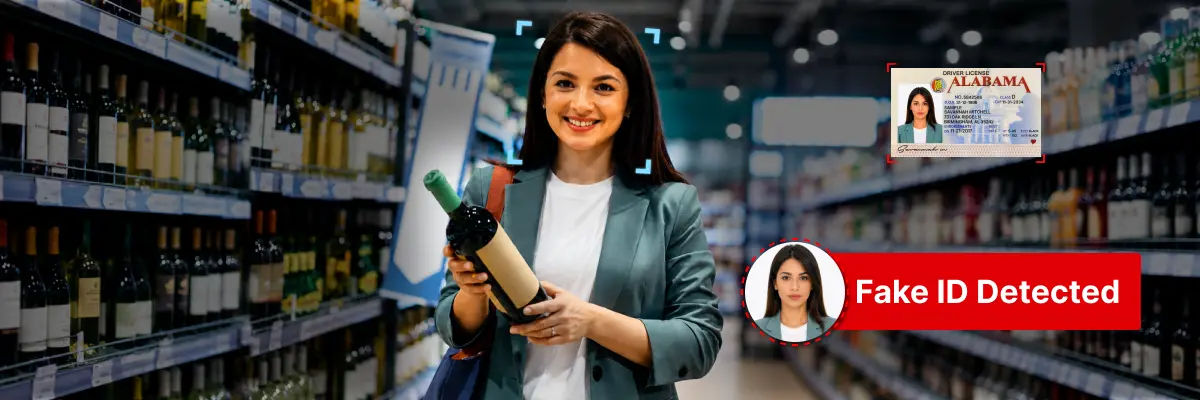
1. Liquor Stores
Liquor retailers are exposed to the risk of underage alcohol purchases, and a single incident puts the store and its business at risk. The enforcement of the rules varies by state; for example, a fake ID New York violation can carry fines running into the thousands and a suspended liquor license, as seen in real enforcement cases. Compliance penalties for repeat offenses only escalate from there.
2. Bars and Nightclubs
Peak hours during the weekend are the most mistake-prone period. High customer volume requires bouncers and bartenders to make a quick decision, often with people waiting in queue. This pressure tends to force mistakes where employees just throw a glance instead of examining the ID properly.
3. Convenience Stores
Convenience stores sell tobacco and other age-restricted products alongside everyday items, and often during the high-rush period, the long checkout queue makes them check ID quickly instead of inspecting carefully, which sometimes compromises the compliance of the rules.
4. Vape and Cannabis Retailers
Vape and cannabis retailers typically face some of the strictest age verification compliance requirements due to the added layer of state licensing along with the standard age laws.
These industries face some serious age verification compliances, following the rules and regulations designed by the federal and state governments. The need for fake ID detection solutions is the highest here, where technology can prevent the error caused by human negligence and human eye limitations.
Why Fake IDs Are a Problem
Fake IDs are more common than you might think. According to a study by National Institutes of Health, nearly 20% of college students admit to owning or having used a fake ID. These IDs are not just used by minors trying to buy alcohol; they are also used in more serious crimes, such as identity theft and financial fraud.
Read More About Fake-ID Conspiracy Case 2026
The risks of accepting a fake ID are significant and multifaceted:
- Legal Penalties: Businesses caught accepting fake IDs can face hefty fines, license suspensions, or even permanent closure. For example, in some states, the penalty for serving alcohol to a minor using a fake ID can range from $1,000 to $10,000 per violation.
- Financial Losses: Fraudulent transactions or underage sales can lead to revenue loss and increased insurance premiums. Additionally, businesses may face lawsuits from individuals harmed by underage drinking or fraudulent activities.
- Reputation Damage: A single incident involving a fake ID can tarnish a business’s reputation, leading to a loss of customer trust. Negative publicity can spread quickly, especially in the age of social media.
- Liability Issues: Employees and business owners can be held personally liable for failing to verify IDs properly. This can result in criminal charges or civil lawsuits.
- Endangering Public Safety: Fake IDs can enable underage drinking, which increases the risk of accidents, injuries, and even fatalities. For example, underage drunk driving is a leading cause of traffic accidents in the United States.
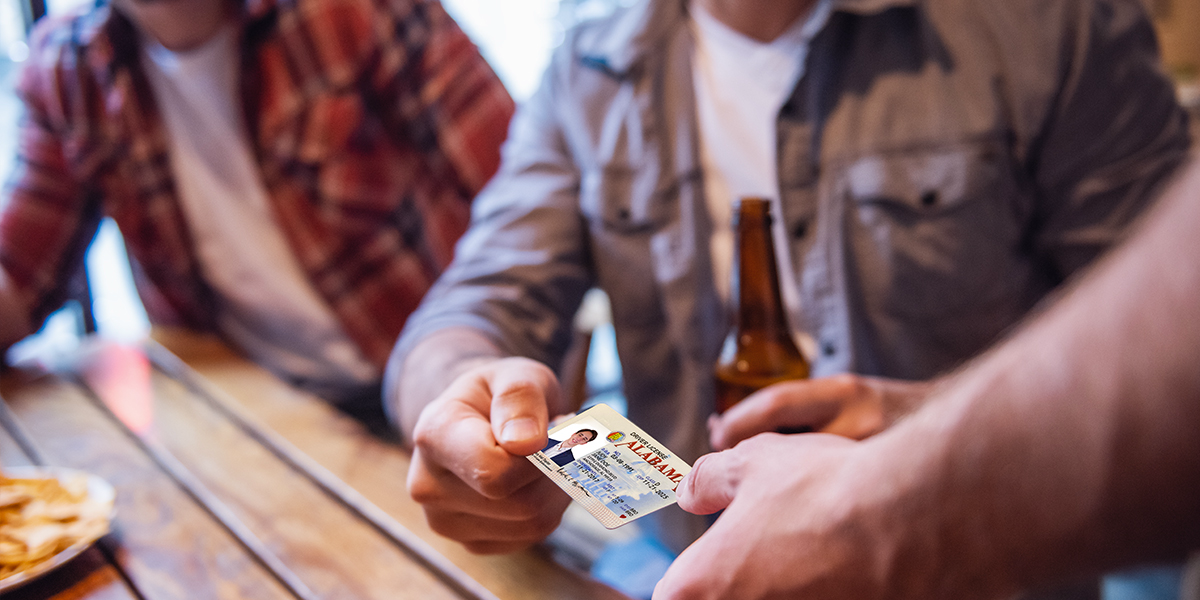
For example, a bar in New York was fined $10,000 and had its liquor license suspended for a month after repeatedly serving alcohol to minors using fake IDs, highlighting how fake IDs pass scanners when proper checks are skipped. Similarly, a casino in Las Vegas faced a $50,000 fine for failing to verify the IDs of several underage gamblers. Such incidents underscore the importance of vigilance in ID verification.
Key Features of a Legitimate ID
To spot a fake ID, you must first understand the features of a legitimate one. Government-issued IDs are designed with multiple security features to prevent counterfeiting. These include:

- Holograms: Most IDs have holographic images that change when tilted. These holograms are difficult to replicate with standard printing techniques.
- Microprinting: Tiny text that is difficult to replicate with standard printers. Microprinting is often found in the background of the ID or around the edges.
- UV Features: Invisible ink that only appears under ultraviolet light. UV features are often used to print patterns, text, or images that are invisible under normal lighting conditions.
- Barcodes and Magnetic Strips: Encoded information that can be scanned and verified. The barcode or magnetic strip should match the information printed on the ID.
- Real ID Compliance: Many states now issue Real ID-compliant licenses, which include additional security features and are required for federal purposes like air travel. Real IDs are marked with a star in the upper right-hand corner.
Familiarizing yourself with the common formats of IDs across different states or countries can also help you identify discrepancies. For example, the layout and design of a California driver’s license differ significantly from those of a New York driver’s license.
How to Spot a Fake ID: Step-by-Step Guide
In the times of emerging technology, the methods of forgery are also developing. There are no specific fake ID safety tips; however, there are a few essential steps you can follow for spotting fake IDs.
We’ve gathered those here:
Physical Inspection
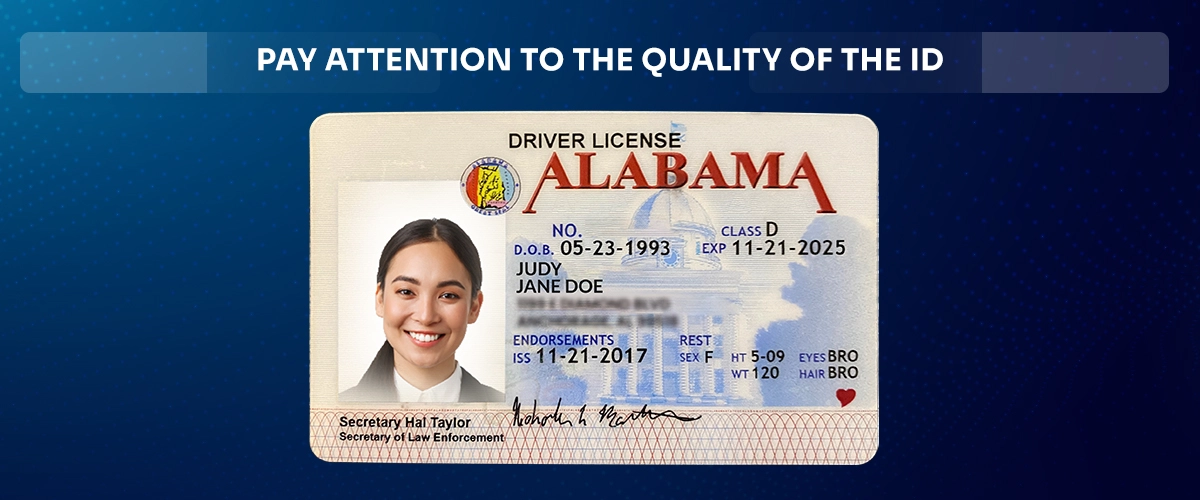
- Feel the Texture: Legitimate IDs have raised printing and smooth lamination. Fake IDs often feel flimsy or have uneven surfaces. Run your fingers over the ID to check for raised text or images.
- Check Thickness and Flexibility: Real IDs are made of durable materials and have a consistent thickness. Fake IDs may be too thick or too thin. Bend the ID slightly to check for flexibility; real IDs are designed to bend without breaking.
- Look for Wear and Tear: Worn-out edges, peeling lamination, or odd materials are red flags. Legitimate IDs are designed to withstand daily use, so excessive wear may indicate tampering.
Visual Inspection
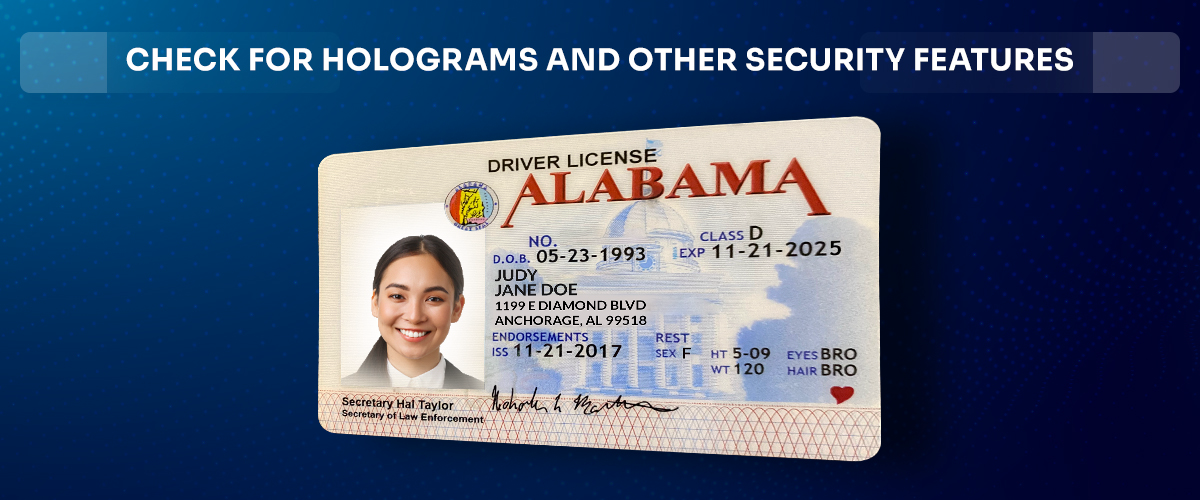
- Examine Holograms and Security Features: Tilt the ID to check for shifting holograms. Use proper lighting to spot inconsistencies. Holograms on fake IDs may appear blurry or static.
- Compare Fonts and Spacing: Fake IDs often have mismatched fonts or uneven spacing. Compare the ID to a known real ID to check for discrepancies.
- Check for Ghost Images and Microprinting: Legitimate IDs often include a faint secondary image of the holder and tiny text that is hard to replicate. Use a magnifying glass to inspect the microprinting.
Barcode & Magnetic Strip Testing
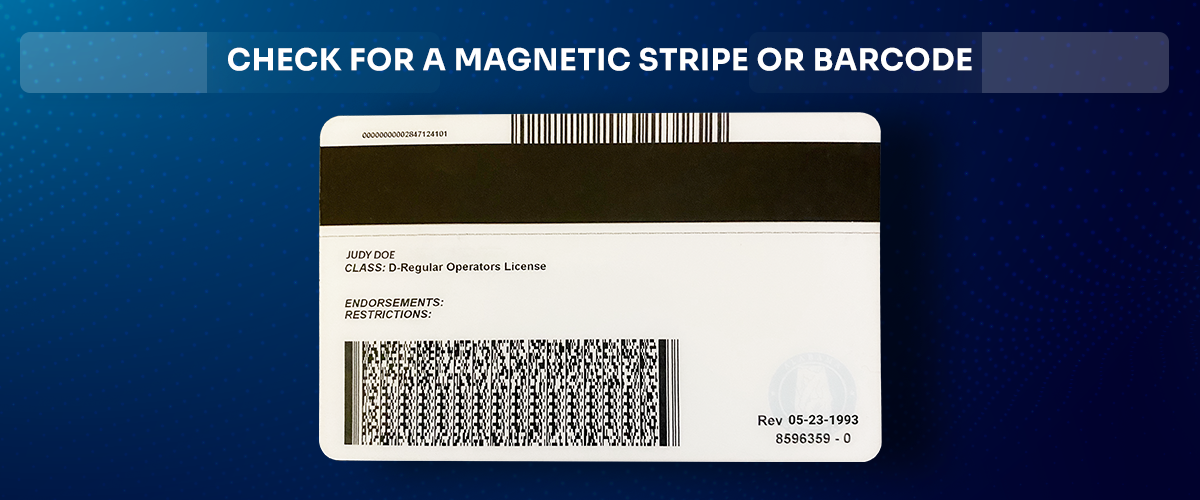
- Scan the Barcode: Use a barcode scanner to verify the encoded information. Fake barcodes may not scan or may display incorrect details.
- Cross-Check Information: Ensure the scanned data matches the information on the ID. For example, the name, date of birth, and address should all match.
UV Light and Security Features
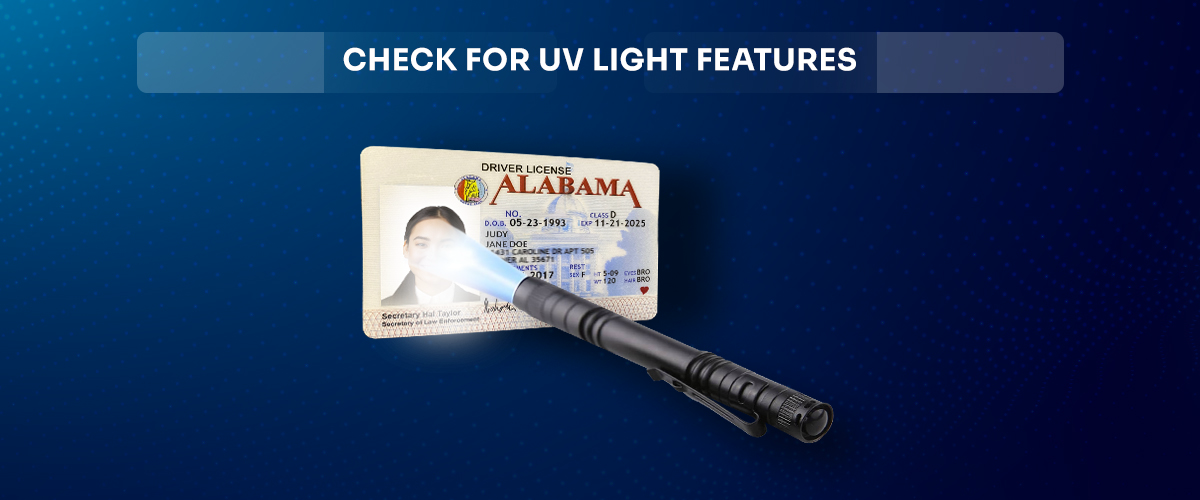
- Use a Blacklight: Real IDs have UV printing that glows under ultraviolet light. Fake IDs may lack this feature or have poorly replicated UV elements. Shine a blacklight over the ID to check for hidden patterns or text.
Checking Personal Information & Behavior
- Look for Inconsistencies: Check for unrealistic birth years, mismatched heights, or other discrepancies. For example, a birth year of 2005 would make the holder 18 years old in 2023, which is plausible, but a birth year of 1990 would make the holder 33 years old, which may be suspicious for a college student.
- Observe Body Language: Individuals using fake IDs may appear nervous or hesitant when questioned. Pay attention to their behavior and responses.
Key Differences: Fake ID vs Real ID
Spotting examples of fake IDs starts with knowing what sets a legitimate document apart, what are the security features, and how the data behaves under a scan.
Here are some basic aspects to focus on to tell a fake ID apart from the real ID:
| Aspect | Fake ID | Real ID |
|---|---|---|
| Printing Quality | Blurry or uneven | Clear and consistent |
| Security Features | Missing or incorrect | Present |
| Barcode Data | May contain copied data | Matches document |
| Material Quality | Poor quality | Official card material |
| Personal Information | Modified details | Accurate |
Common Types of Fake IDs
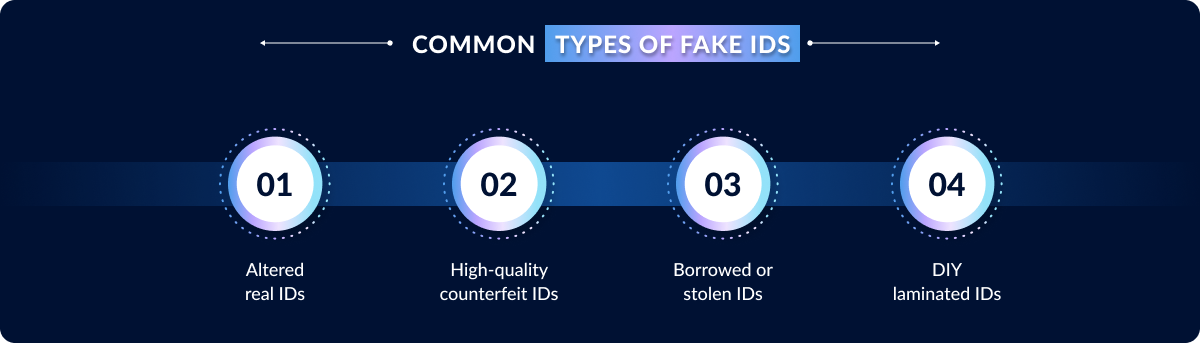
Fake IDs come in various forms. Following are some of the common ones:
- Altered Real IDs: Legitimate IDs with photos or birthdates changed. For example, a minor may alter their older sibling’s ID to match their appearance.
- High-Quality Counterfeit IDs: Professionally made fakes that mimic real IDs. These are often produced using advanced printing techniques and materials.
- Borrowed or Stolen IDs: Real IDs used by someone other than the rightful owner. For example, a minor may borrow an ID from a friend or family member who resembles them.
- DIY Laminated IDs: Low-quality fakes made using basic tools. These are often easy to spot due to their poor craftsmanship.
Nearly 32% of college students admit to possessing fake IDs, creating significant liability risks for establishments that serve age-restricted products or services like iGaming, crypto, gambling and more.
— PubMed
Modern technology has revolutionized the process of detecting fake IDs. Advanced technologies such as:
1. AI-powered image recognition software: These systems can analyze various features of an ID, such as holograms, watermarks, and printing patterns, to identify anomalies and inconsistencies that may indicate a forgery.
AI is taking the world by storm! Why not use it to your advantage?
Start detecting fake IDs in seconds with FTx Identity!
2. Barcode and RFID readers: These tools can quickly and accurately scan and verify the authenticity of barcodes, radio frequency identification (RFID) chips, and other embedded security features.
3. Facial recognition technology: By comparing the ID photo to the individual presenting it, facial recognition systems can help verify identity and detect potential discrepancies.
4. Document fraud detection systems: These integrated systems combine various technologies, including image analysis, data verification, and machine learning, to provide a comprehensive assessment of ID authenticity.
These technologies offer several key advantages:
1. Enhanced Accuracy: AI-powered systems can detect subtle nuances and inconsistencies that may be missed by human inspection.
2. Increased Speed and Efficiency: Automated systems significantly speed up the verification process, reducing wait times and improving customer throughput.
3. Reduced Human Error: Minimizes the risk of human error in manual checks, ensuring consistent and reliable verification.

4. Increased Security: Provides a more robust defense against identity theft and fraud, protecting businesses and individuals.
5. Regulatory Compliance: Helps businesses comply with legal requirements and regulations related to age verification and identity verification.
6. Improved Customer Experience: Streamlines the verification process for genuine customers, creating a more efficient and seamless experience.
7. Cost Savings: Can reduce the need for manual checks, leading to potential cost savings for businesses.
8. 24/7 Availability: Automated systems can operate 24/7, ensuring continuous verification and security.
If you suspect an ID is fake, handle the situation calmly and professionally. Politely refuse service and avoid confrontations. If necessary, involve law enforcement. Document the incident and report it to your supervisor or manager.
How to Spot Fake IDs Using Artificial Intelligence
Fake ID detection is not limited to manual examination or simply scanning the barcode. It has now evolved into an automated process that repeats with each transaction taking place.
Here’s how AI plays its role in spotting fake IDs:
Pattern Recognition
AI models get trained by scanning and feeding data of thousands of real IDs, where they recognize the exact fonts, spacing, and layout each document from each state should have, and by scanning these pre-learned features, AI models are able to flag any document that doesn’t match these combinations.
Document Authentication
AI’s authentication is not only limited to textual data but also checks holograms, microprinting, and other security features that are compared to known authentic templates, catching the forgeries. These forgeries would pass a visual glance, but not the AI scans.
Biometric Verification
Biometric verification offers advanced security where the facial matching compares the photo on the ID to a live capture of the person presenting it, which confirms that the ID belongs to the customer instead of a borrowed or stolen document. This feature becomes the most useful when verification takes place for online transactions.
Data Analysis
The AI scans and analyzes the data, such as encoded barcodes, printed data, and document format, consistently. A mismatch between any of these is flagged by the system. This mismatch is majorly missed by the human eye that the system catches.
Continuous Learning
As the new fake ID templates and fraud techniques emerge and evolve, as the sophisticatedly forged documents from fake ID websites are developed, the AI models keep analyzing them and retraining the system with the latest patterns. This keeps the fake ID detection accurate as forgery methods evolve.
How FTx Identity Helps Businesses Prevent Fake ID Fraud
FTx Identity integrates fake ID detection into a single point-of-sale (POS) system that is specially built for age-restricted products, where retailers can verify the identity and age of users with accuracy rather than relying on staff judgment.
AI-based identity verification
AI-based verification analyzes each ID in seconds, checking for the pattern, format, and security features, identifying the inconsistencies in IDs that indicate a forgery.
ID document authentication
FTx Identity solution validates the document by cross-referencing holograms, barcodes, and printed data to confirm that the ID is authentic and not altered or counterfeited.

Age verification
Age and identity verification confirm that the customer meets the legal age requirement automatically, removing the need for manual calculation of age from a quick glance at a birthdate.
Facial matching
Biometric authentication compares the ID photo to a live capture with 3D liveness detection, which catches stolen or borrowed IDs or identifies deepfake attempts that a static photo comparison would miss.
POS integration
FTx Identity connects directly to point-of-sale systems, so age and ID verification happen as a part of checkout instead of a separate manual step. This speeds up the checkout, and during peak hours, the queue in front of the counter will keep moving quickly without compromising compliance.
Ecommerce verification
For online retailers, digital identity verification confirms a customer’s age and identity before an age-restricted purchase is dispatched. This verification closes the gap of a physical ID check that cannot take place online.
Conclusion
Spotting a fake ID is a critical skill for businesses in age-restricted industries. By understanding the features of legitimate IDs, using advanced verification tools, and training your staff, you can protect your business from legal, financial, and reputational risks.
Investing in ID verification technology and staff training is not just a precaution or a compliance, but it’s a necessity based on the current scenario. Stay vigilant, stay compliant, and ensure the safety and security of your business and customers.
Ensure Accurate Age Verification Every Time!
Looking for a foolproof way to spot fake IDs? Our advanced ID scanners can help you verify age instantly, reducing the risk of fraudulent IDs.