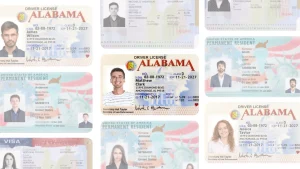


Ghost ID Scam in Retail: Detection, Risks, and Prevention Strategies
September 22, 2026

A growing fraud concern sometimes referred to as a ghost ID scam is creating new challenges for age-restricted retailers worldwide. Criminals are exploiting the personal data of deceased individuals, often undetected for years, to create fraudulent identities, bypass identity verification checks, and illegally purchase restricted goods or services.
What Are Ghost IDs?
A ghost ID refers to an identity that belongs to a deceased individual but is stolen, manipulated, or recreated for fraudulent purposes.
Fraudsters may use real personal information from deceased individuals, including names, dates of birth, addresses, and government-issued identification details, to create a fake identity or alter existing documents.
In some cases, criminals combine legitimate information from multiple sources to construct an identity that appears authentic during verification checks.
Why Are Deceased Identities Attractive to Fraudsters?
Deceased individuals can become targets of deceased identity fraud because their personal information often receives less ongoing scrutiny than information belonging to living consumers.
A criminal using a ghost ID may benefit from:
- Reduced detection risk: Family members or the actual identity owner cannot report suspicious activity.
- Longer periods of misuse: Fraud may continue for years before being discovered.
- Less frequent monitoring: Inactive identities may not trigger the same fraud alerts as active accounts.
- Access to real personal data: Information from government records, public databases, or previous data breaches can make fraudulent identities appear legitimate.
For retailers, the problem is that a ghost ID may pass a basic visual inspection if the document appears authentic and the customer meets the required age threshold.
How the Ghost ID Scam Works: Step by Step
Ghost ID fraud typically involves multiple stages, from collecting personal information to using fraudulent identification at checkout.
Harvesting Deceased Identity Data
The first step is obtaining information connected to deceased individuals.
Fraudsters may collect data from:
- Public records
- Data breaches
- Online databases
- Social media profiles
- Illegitimate marketplaces selling personal information
The information gathered may include a person’s full name, date of birth, address history, and other details needed to recreate an identity.
Identity Reconstruction
After collecting information, criminals begin piecing together an identity profile.
They may combine legitimate information from different sources to create a more complete identity record. For example, they may use one person’s name and birth date with another address or supporting information to make the identity appear current.
This process allows fraudsters to create identities that look believable during basic verification.
ID Fabrication
Once the identity has been reconstructed, criminals may create counterfeit identification documents or manipulate existing IDs.
Advanced document editing tools and counterfeit technology can make fake IDs increasingly difficult to identify through manual checks alone.
Exploiting Age-Restricted Retail Systems
The final step is using the fraudulent identity to access restricted products or services.
Ghost IDs may be used to:
- Purchase alcohol or tobacco products
- Access online age-restricted marketplaces
- Open accounts requiring age verification
- Bypass digital age gates
Retail environments that rely primarily on quick visual checks are especially vulnerable because employees may not have access to deeper identity validation tools.
Why Age-Restricted Retail Is a Prime Target
Age-restricted industries face a unique fraud challenge: they must verify customers quickly while preventing illegal sales.
Fraudsters take advantage of this balance by targeting systems where identity checks may be limited.
High Transaction Volume, Low Verification Time
Retail employees often have only seconds to verify a customer’s age before completing a transaction.
Busy checkout environments can make detailed identity checks difficult, especially during peak hours.
Criminals know that speed-focused environments may rely on simple document inspections rather than advanced verification methods.
Reliance on Visual ID Checks
Traditional ID checks typically involve looking at:
- Photo similarity
- Date of birth
- Expiration date
- Document appearance
While these checks remain important, they may not reveal whether the identity itself belongs to a deceased individual.
A legitimate-looking ID can still represent a fraudulent identity.
Inconsistent Technology Adoption
Not every retailer uses the same level of identity verification technology.
Some businesses rely entirely on manual checks, while others use barcode scanners, ID authentication tools, or AI-powered verification systems.
This inconsistency creates opportunities for fraudsters to target businesses with weaker verification processes.
Where Ghost IDs Are Used in Age-Restricted Retail
As age-restricted retail scams become more sophisticated, businesses must be prepared to detect more than traditional fake IDs. Fraudulent identities, including ghost IDs, can create challenges across industries where age verification is required.
Alcohol and Tobacco Retailers
Liquor stores, convenience stores, vape shops, and tobacco retailers are common targets because these industries require customers to meet legal age requirements.
Fraudsters may use ghost IDs to purchase restricted products while avoiding traditional identity checks.
Lottery and Gambling Outlets
Lottery retailers and gambling platforms may also face risks from fraudulent identities used to bypass age restrictions or account verification requirements.
Digital Subscription Services with Age Gates
Some online services require customers to confirm their age before accessing restricted content.
If verification systems only rely on basic information checks, ghost IDs may be used to bypass these restrictions.
Online Age-Restricted E-Commerce Platforms
Online retailers selling age-restricted products face additional challenges because there is no in-person interaction.
Without strong digital identity verification, criminals may use stolen identities to create accounts and complete purchases remotely.
How to Detect Ghost ID Scams
Detecting ghost IDs requires more than checking whether an ID looks authentic. Retailers need solutions that can verify whether the identity itself is legitimate.
Death Registry Cross-Checking
One method of identifying ghost IDs is comparing customer identity information against official death records.
If an identity belongs to a deceased person, the system can flag the verification attempt for additional review.
AI-Based Identity Anomaly Detection
Artificial intelligence can analyze identity data for unusual patterns, such as:
- Mismatched personal information
- Suspicious verification behavior
- Repeated use of the same identity details
- Unusual purchasing patterns
AI-powered fraud detection helps identify risks that may not be obvious during manual reviews.
Document Forensics and AI ID Validation
Advanced ID verification technology can examine documents for signs of manipulation, including:
- Altered images
- Missing security features
- Incorrect formatting
- Suspicious document patterns
AI-powered validation tools can analyze IDs faster and more consistently than manual inspections alone.
Biometric Verification
Biometric verification adds another layer of protection by confirming that the person presenting the ID matches the identity on the document.
Facial recognition technology, for example, can compare a live selfie or camera image against the photo on an identification document.
Behavioral Analytics Monitoring
Customer behavior can provide additional fraud signals.
Retailers can monitor patterns such as:
- Multiple accounts using similar information
- Repeated failed verification attempts
- Unusual purchase activity
- Location inconsistencies
These signals can help identify potential fraud before a transaction is completed.
Prevention Strategies Against Ghost ID Scam
Preventing ghost ID fraud requires a combination of technology, employee awareness, and stronger identity verification practices.
Stronger KYC (Know Your Customer) Enforcement
KYC processes help businesses verify customer identities and reduce fraudulent activity.
By collecting and validating accurate customer information, retailers can create stronger barriers against identity-based fraud.
Mandatory Age Verification APIs for Retailers
Age verification APIs allow businesses to connect identity verification technology directly into their systems.
For retailers, this can help automate checks and verify customer eligibility without relying only on manual inspections.
Continuous Identity Monitoring
Identity verification should not always be a one-time event.
Continuous monitoring helps detect suspicious changes, repeated fraud attempts, or identity information that no longer appears valid.
AI Fraud Scoring Systems
AI-based fraud scoring systems evaluate multiple risk factors and assign a fraud likelihood score.
This allows retailers to identify higher-risk transactions and determine when additional verification may be needed.
Retail Staff Training and POS Alerts
Employees remain an important part of fraud prevention.
Retailers should train staff on:
- Common fake ID warning signs
- Proper verification procedures
- When to request additional identification
- How to handle suspicious transactions
Integrated POS alerts can also help employees recognize potential risks during checkout.
For example, IDs previously detected as fraudulent can be flagged within a POS system’s control center, helping retailers prevent repeat attempts.
Blacklist IDs Detected as Ghost IDs
When an ID is confirmed as fraudulent, retailers can add it to internal fraud databases or blacklist systems.
This allows future verification attempts involving the same fraudulent information to trigger alerts before a transaction is completed.
How to Report if You Are a Victim of a Ghost ID Scam
If your business or personal information has been affected by a ghost ID scam, reporting the incident quickly can help limit further damage.
Report to the Retailer or Platform Immediately
From a retailer’s perspective, employees should document suspicious activity and report potential fraud through the company’s internal processes.
Customers who believe their identity was used fraudulently should contact the business or platform where the activity occurred as soon as possible.
Report to Financial Institutions
If a ghost ID scam involves unauthorized transactions, contact your bank, credit card provider, or financial institution immediately.
They may be able to freeze accounts, investigate charges, or provide additional fraud protection.
Report Identity Theft to Government Authorities
Victims should report identity theft through official government channels to create a record of the incident and receive recovery guidance.
In the United States, consumers can report identity theft through the Federal Trade Commission’s identity theft reporting resources.
Report to Local Law Enforcement
For cases involving financial loss, fraudulent purchases, or criminal activity, filing a police report may be appropriate.
Report to the Federal Trade Commission
The Federal Trade Commission collects identity theft reports and provides recovery resources for affected individuals.
Report to the Internet Crime Complaint Center (IC3)
If a ghost ID was used online through an e-commerce platform or digital service, victims can report cybercrime-related activity to the Internet Crime Complaint Center.