


Loyalty programs used to be simple: sign up, earn points, and get rewards. But those straightforward systems are starting to feel outdated. Customers are tired of generic offers, and with so many more options out there, they expect experiences that feel personal and meaningful.
Most consumers expect personalization: in fact, McKinsey & Company reports that 71% of shoppers want tailored interactions – and 76% say they get frustrated when companies fall short.
That’s where identity data comes in – the game-changer that transforms loyalty programs from basic points systems into personalized, secure, and highly engaging experiences. By understanding who your customers really are, you can deliver rewards that resonate, prevent fraud, and build loyalty that lasts.
In this blog post, we’ll explore how identity data can help retailers create smarter, safer, and more effective loyalty programs.
What Is Identity Data?
Identity data isn’t just a name in a database or an email captured at checkout – it’s a complete view of who a customer truly is.
It includes a mix of foundational and verified attributes, such as:
Personal Identifiers
Basic information like name, age, address, email, and phone number. These help retailers recognize and communicate with customers, build profiles, and tailor offers to the right person.
Verified Identity Attributes
Government-issued IDs, verified age, biometrics, mobile driver’s licenses, and other digital identity credentials. These ensure that the information is accurate, trustworthy, and compliant, helping retailers prevent fraud and deliver rewards responsibly.
When retailers connect these pieces, they gain more than transactions – they gain insight into who customers are, how they shop, and what matters to them. This clarity enables personalization, smarter promotions, and better customer experiences – built on real data, not assumptions.
The Problems with Traditional Loyalty Programs
Even though loyalty programs have been around for decades, many older models just aren’t keeping up with customer expectations – or the realities of fraud, data quality, and consumer behavior.
Here’s where traditional retail loyalty programs fall short:
Low Personalization Quality
Generic points and mass email campaigns aren’t cutting it anymore. Without verified identity data, offers can feel irrelevant, leading to disengaged members and missed opportunities.
High Fraud Levels
Fake accounts, duplicate profiles, and reward abuse can drain loyalty budgets and hurt profitability. Traditional systems often lack the verification needed to stop fraud in its tracks.
Poor Customer Insight
Siloed or incomplete data makes it hard to truly understand buying patterns, segment audiences effectively, or deliver personalized campaigns that drive results.
Siloed Data Across Systems
When loyalty, ecommerce, point-of-sale (POS), and mobile platforms don’t share a unified identity, customers are forced to log in multiple times or repeat verification processes. This friction creates a poor experience and reduces engagement.
How Identity Data Transforms Loyalty Programs
Loyalty isn’t just about rewards – it’s about knowing your customers and delivering experiences that truly matter. Identity data lets retailers personalize offers, streamline engagement across channels, prevent fraud, and build trust.
Identity Data as the Foundation of Personalization
Verified profiles allow retailers to segment customers meaningfully – from age-restricted preferences to style interests – and deliver offers that actually resonate. This makes campaigns and rewards feel tailored, not generic, encouraging higher engagement and repeat purchases.
Identity Resolution Across Channels
With FTx Identity, retailers can keep a single verified customer profile across systems like Loyal-n-Save and FTx Commerce. After a customer verifies once, their profile can be recognized across these platforms, reducing repeat verification and making sign-ins smoother.
Fraud Prevention and Account Security
ID verification helps prevent account takeover, duplicate accounts, and reward theft, protecting both customers and your bottom line. It ensures loyalty programs stay secure, reliable, and trusted by members.
Building Trust and Transparency
When customers know their data is handled securely and ethically, they’re more likely to engage – and return. Trust fuels loyalty, and identity data ensures that trust is built from the start.
Benefits of Using Identity Data to Power Loyalty Programs
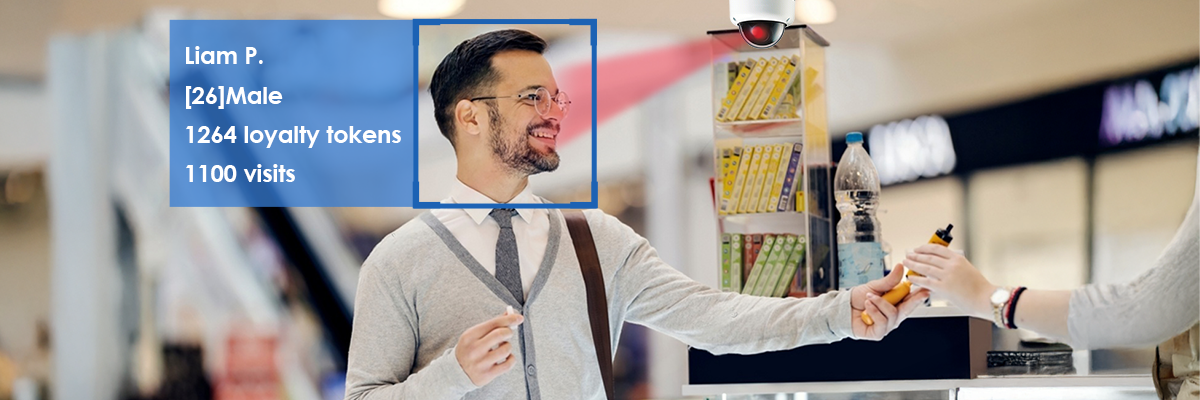
When loyalty programs are powered by verified identity data, they do more than track points – they create meaningful connections and deliver real business impact. From boosting engagement to reducing fraud, identity data transforms loyalty programs into tools that drive growth, efficiency, and customer satisfaction.
Higher Customer Retention and Lifetime Value (CLV)
When you know your customers, you can give them rewards and offers that actually matter. Verified profiles let retailers personalize promotions and experiences, encouraging repeat purchases and increasing lifetime value. Happy, engaged customers stick around longer.
Stronger Loyalty Program Engagement
Generic rewards rarely excite anyone. With identity data, retailers can deliver tiered rewards, tailored campaigns, and relevant offers – making it easy for customers to participate and stay engaged with the program.
Improved Marketing Efficiency and Lower CAC (Customer Acquisition Cost)
Knowing who your customers are allows you to target marketing spend smarter. Instead of sending generic campaigns, you can reach the right people with the right offers at the right time – reducing acquisition costs and boosting ROI.
Reduced Fraud and Operational Loss
Identity verification helps stop fake accounts, duplicate profiles, and reward abuse before it becomes a problem. This keeps loyalty programs secure, protects revenue, and reduces the time spent fixing operational issues.
Better Omnichannel Experiences
A single verified profile across POS, mobile, and online channels creates seamless interactions. Customers can redeem offers, log in, and access rewards anywhere – making loyalty feel effortless and consistent.
Regulatory Compliance and Clean Data
Verified identity data isn’t just smart – it keeps you compliant with privacy and age-restricted regulations. Accurate, clean data ensures your programs are actionable, secure, and trustworthy, which is essential for long-term success.
Use Cases: How Top Retailers Use Identity Data Today

Retailers across industries are using identity data to create smarter, safer, and more personalized loyalty programs.
Here’s how top retailers are putting verified profiles to work:
1. Age-Restricted Retail (Tobacco, Alcohol, Vape)
Verified age profiles allow retailers to power tiered loyalty programs that reward adult customers responsibly. By confirming age upfront, retailers can:
- Prevent minors from entering loyalty funnels
- Deliver age-appropriate offers and promotions
- Ensure compliance with legal and manufacturer requirements
This approach not only keeps programs compliant and ethical, but it also builds trust with customers who know the brand takes safety seriously.
2. Fashion & Lifestyle Retail
Identity data goes beyond basic demographics to capture style preferences and lifestyle interests.
Retailers can use this data to:
- Create personalized lookbooks and “complete-the-outfit” recommendations
- Highlight trending items based on verified shopper preferences
- Send targeted offers that reflect each customer’s unique taste
The result? Higher engagement, increased basket size, and more loyal shoppers who feel the brand truly understands their style.
3. Grocery
Understanding household composition and shopping behavior helps grocery retailers deliver smarter stocking and offers.
With verified household identity data, retailers can:
- Predict replenishment needs for staple items
- Send personalized promotions for frequently purchased products
- Reduce out-of-stock situations and improve overall shopping convenience
Identity data turns everyday purchases into data-driven opportunities to enhance convenience, satisfaction, and loyalty.
4. Luxury & High-Value Retail
High-value transactions come with high risks. Verified VIP profiles ensure that:
- Exclusive offers and loyalty rewards reach legitimate, high-value customers
- Fraudulent redemptions are prevented
- Programs maintain their prestige and integrity
This not only protects revenue but also reinforces the premium experience expected by luxury shoppers.
5. Ecommerce Marketplaces
In online marketplaces, trust is everything.
Verified identities help:
- Reduce promo abuse by confirming legitimate shoppers
- Ensure seller authenticity, increasing confidence across the platform
- Support personalized recommendations and targeted campaigns
By combining shopper and seller verification, marketplaces can boost engagement, trust, and long-term loyalty in a highly competitive environment.
Identity Data as a Tool Against Loyalty Fraud
Loyalty programs are powerful tools for driving engagement – but they’re also targets for fraud. Without strong identity verification, programs can be exploited in ways that cost retailers both revenue and customer trust.
Here’s a closer look at the most common types of loyalty fraud and how identity data helps stop them:
Types of Loyalty Fraud
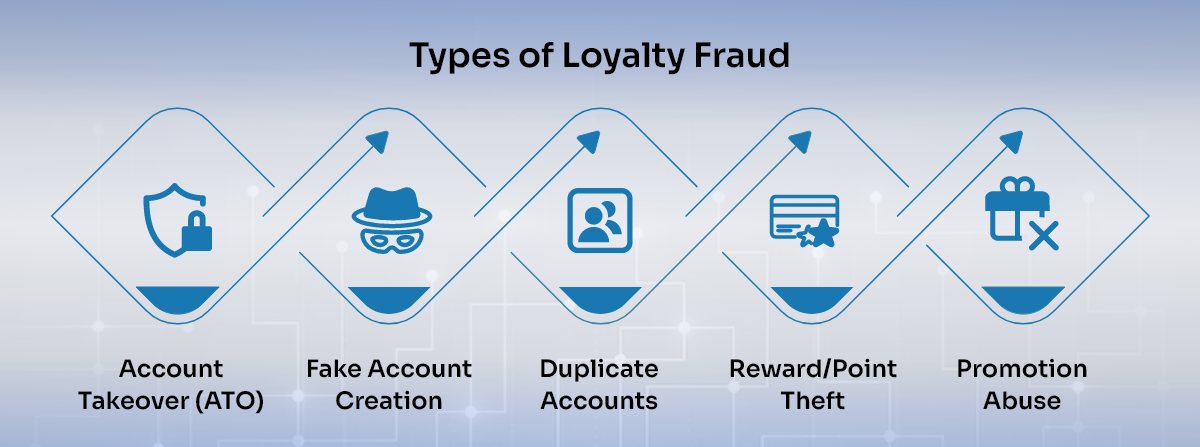
Account Takeover (ATO)
Fraudsters can hijack legitimate customer accounts to steal points or redeem rewards. With verified identity data, retailers can detect unusual login patterns, require additional authentication, and prevent unauthorized access – keeping both rewards and customer trust safe.
Fake Account Creation
Some individuals create fake accounts to game loyalty systems, collecting signup bonuses or rewards multiple times. Identity verification ensures that every account corresponds to a real, verified person, blocking fraudulent accounts before they enter the program.
Duplicate Accounts
When a single customer has multiple profiles, it can create confusion, inflate rewards, and distort program metrics. Unified identity resolution consolidates these profiles into a single verified account, preventing duplicate accounts and maintaining program integrity.
Reward/Point Theft
Unauthorized access or manipulation of rewards undermines loyalty programs. Verified identities make it harder for bad actors to claim points or redeem rewards illegitimately, ensuring that only eligible members benefit.
Promotion Abuse
Coupons, referral bonuses, and special offers can be misused if identities aren’t verified. Identity data helps retailers enforce program rules, ensuring that promotions reach the right customers and are used as intended.
How Retailers Can Build an Identity-Powered Loyalty Program
Creating a successful loyalty program today isn’t just about rewards – it’s about knowing your customers, protecting your program, and delivering personalized experiences. By building your loyalty program on verified identity data, you can boost engagement, reduce fraud, and make every interaction more meaningful.
Here’s a step-by-step approach to getting it right:
Identity Data Strategy & Readiness
Define your goals and the key data points you need, like verified age, household composition, or purchase history. Assess your team’s readiness to manage this data effectively – a clear strategy ensures your program drives value for both your customers and your business.
Technology & Vendor Selection
Choose tools that integrate identity verification, fraud detection, and loyalty management. Scalable solutions support omnichannel engagement, streamline operations, and keep your program flexible, secure, and future-ready.
UX Design & Customer Consent
Smooth, user-friendly verification flows matter. Make it easy for customers to provide consent and be transparent about how their data will be used. This builds trust and encourages long-term participation.

Data Integration & Loyalty System Sync
Connect verified profiles across POS, ecommerce, mobile apps, and loyalty platforms. Unified data ensures consistent messaging, seamless offers, and a frictionless experience wherever customers interact with your brand.
Fraud Monitoring & Abuse Prevention
Monitor accounts for unusual activity and set up safeguards against account takeover, duplicates, or reward misuse. Proactively protecting your program strengthens revenue, customer confidence, and overall loyalty.
Launch & Optimization
Even after launch, continuously use identity insights to refine campaigns, enhance loyalty program personalization, and fine-tune engagement strategies. Iterating based on real customer behavior keeps your program effective and relevant over time.
Key Identity Technologies Transforming Loyalty Programs
Modern loyalty programs rely on more than points and promotions – they rely on trusted, verified identity data to deliver personalized, secure, and seamless experiences. A suite of identity technologies makes this possible, helping retailers understand customers, prevent fraud, and create loyalty programs that truly work.
Age & Identity Verification Solutions
Verify customer age, government-issued IDs, and eligibility for specific offers.This is critical for age-restricted and high-value products, ensuring compliance while building trust with your audience.
Zero-Party and First-Party Data Collection
Collect customer-shared preferences and interests with consent. This enables personalized offers and rewards while respecting privacy, making your program feel relevant and customer-centric.
Fraud Detection Systems
Use real-time monitoring, pattern recognition, and alerts to prevent account takeovers, duplicates, and reward abuse. These systems protect program integrity, retailer revenue, and customer trust.
Mobile Driver’s Licenses (mDLs) & Digital ID Cards
Allow quick, secure verification without manual entry or repeated checks. These modern methods make onboarding and online or in-store interactions smooth, fast, and frictionless.
Identity Graphs & Unified Customer Profiles
Bring every customer interaction together — online, in-store, and on mobile — into one complete view. Unified profiles make it easier to deliver targeted campaigns, provide a seamless experience across channels, and minimize data silos and errors.
Conclusion
Identity data shouldn’t sit in compliance logs or be used only for risk mitigation. When leveraged properly, it fuels richer, safer, and more profitable loyalty programs – creating experiences your customers value while protecting your business from fraud and inefficiencies.
Verified identities mean better personalization, smarter rewards, seamless omnichannel experiences, and a loyalty program that actually works. It’s time to let identity data do the heavy lifting so your customers – and your bottom line – can thrive.
Make Loyalty Smarter and Safer
Schedule a consultation and demo with us to discover how verified identity data can
enhance personalization, prevent fraud, and strengthen customer engagement.